
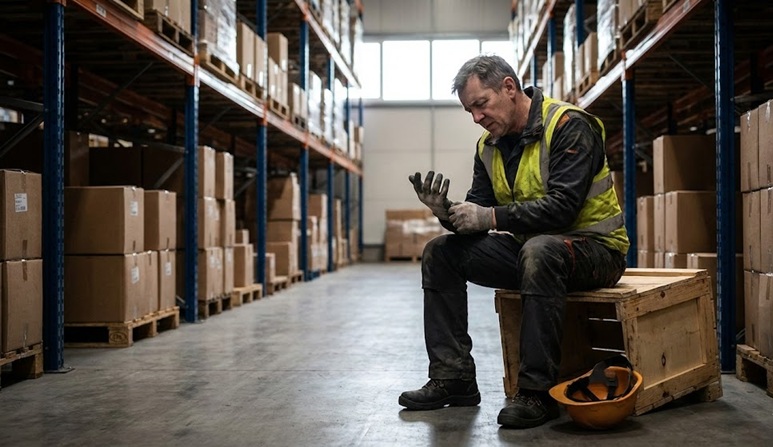
Western Australia’s warehouse and logistics sector employs over 80,000 workers who face daily risks most office workers never encounter. Forklift accidents, falling loads, repetitive strain injuries, and crushing incidents occur with alarming regularity across Perth’s industrial zones. When these accidents happen, workers often don’t realise the full extent of their legal rights or the compensation they’re entitled to claim.
The statistics paint a concerning picture. WorkCover WA reports that warehouse and logistics operations account for approximately 15% of all serious workplace injury claims in the state. Forklift accidents WA result in an average of 12 serious injuries per month across WA workplaces, with consequences ranging from broken bones to permanent disability.
The Reality of Warehouse Injuries in Western Australia
Warehouse environments combine heavy machinery, repetitive tasks, tight deadlines, and constant movement. This creates a perfect storm for workplace injuries that can change lives in seconds.
The most common warehouse injuries include forklift collisions with pedestrian workers, loads falling from heights, back injuries from improper lifting techniques, and crush injuries between vehicles and fixed structures. Repetitive strain injuries develop over months or years, while acute trauma incidents happen without warning.
Forklift accidents represent the most severe category. A loaded forklift can weigh up to 4,000 kilograms, and collisions at even low speeds generate massive force. Workers struck by forklifts frequently sustain multiple fractures, internal injuries, head trauma, and spinal damage.
Manual handling injuries accumulate differently but affect more workers overall. Lifting boxes weighing 15-25 kilograms repeatedly throughout a shift places enormous stress on the lower back, shoulders, and knees. These injuries often worsen gradually until workers can no longer perform their duties.
Your Rights After a Forklift Accident
If a forklift strikes a worker at work, they have immediate rights under Western Australian law regardless of who was at fault. Workers’ compensation covers medical treatment and provides income replacement while recovering.
However, forklift accident compensation WA claims extend beyond basic WorkCover entitlements when employer negligence contributed to injuries. This distinction matters enormously because negligence claims can provide significantly higher compensation for pain, suffering, and long-term impacts on life.
Common negligence factors in forklift accidents include inadequate training for operators, lack of pedestrian exclusion zones, poor warehouse layout creating blind corners, failure to maintain equipment properly, and pressure on workers to meet unrealistic productivity targets that compromise safety.
Workers can pursue both a workers’ compensation claim and a common law negligence claim simultaneously. The workers’ compensation claim provides immediate support, while the negligence claim addresses the full scope of losses.
Establishing Liability in Warehouse Accidents
Determining who bears responsibility for injuries requires examining multiple factors. Employers owe workers a duty of care to provide a safe workplace, but other parties may share liability.
Equipment manufacturers can be liable if faulty machinery contributed to accidents. We’ve successfully claimed against forklift manufacturers whose defective braking systems caused collisions and pallet racking suppliers whose products collapsed under normal loads.
Third-party contractors working in the same facility may have caused injuries through their negligence. When external companies operate forklifts or move goods in workplaces, they must maintain the same safety standards as direct employers.
Labour hire companies bear responsibility for workers they place in warehouses. If working through an agency, both the agency and the host employer typically owe safety obligations.
Proving negligence requires documenting safety violations, gathering witness statements, obtaining incident reports, and securing expert evidence about industry standards. Employers often destroy or lose critical evidence after accidents, making immediate action essential.
Workers’ Compensation for Warehouse Injuries
Workers’ compensation insurance covers every warehouse worker in Western Australia. This no-fault system provides benefits regardless of who caused accidents, though certain limitations apply.
Entitlements include full coverage of medical expenses (doctor visits, specialists, surgery, physiotherapy, medications), weekly payments replacing up to 95% of pre-injury earnings initially, and lump sum payments for permanent impairment. The system also covers vocational retraining if workers cannot return to warehouse work.
Making a workers’ compensation claim begins with reporting injuries to employers immediately. This creates an official record and triggers employer obligations to lodge claims with their insurers.
Many warehouse workers delay reporting injuries, particularly gradual-onset conditions like back pain. This delay can jeopardise claims. Report any work-related injury or condition within 14 days to protect rights.
Weekly payments continue while unfit for work, but insurers often dispute capacity assessments. They may send workers to their preferred doctors who minimise restrictions or pressure workers to return to modified duties before they’re ready.
Beyond WorkCover: Common Law Claims for Serious Injuries
Workers’ compensation provides essential support but doesn’t compensate for pain and suffering, loss of enjoyment of life, or full economic losses. Common law negligence claims address these gaps when employer breaches of duty caused injuries.
To succeed in a common law claim, workers must prove their employer owed them a duty of care, breached that duty through negligent acts or omissions, and this breach directly caused injuries resulting in damages. Workers must also demonstrate injuries meet the whole person impairment threshold of 15% or greater.
Common breaches we’ve proven in warehouse cases include failing to implement traffic management plans separating forklifts from pedestrians, allowing untrained or improperly licensed operators to use machinery, ignoring known hazards like damaged flooring or poor lighting, and failing to provide mechanical aids for heavy lifting tasks.
The compensation available through common law claims can be substantial. We’ve secured settlements exceeding $500,000 for workers who suffered permanent disabilities in forklift accidents WA where clear safety violations existed.
Time limits apply strictly. Workers generally have three years from the injury date to commence proceedings, but exceptions exist for injuries that develop gradually or where the full extent wasn’t immediately apparent.
Manual Handling Injuries and Repetitive Strain Claims
Not all warehouse injuries happen in dramatic accidents. Manual handling injuries develop through cumulative strain on bodies over weeks, months, or years of repetitive work.
Employers must conduct risk assessments for manual handling tasks and implement controls to minimise injury risk. These controls follow a hierarchy: eliminate manual handling through automation, use mechanical aids like trolleys or hoists, redesign tasks to reduce weight or frequency, and provide training on proper techniques.
Back injuries dominate manual handling claims. Lifting, twisting, and carrying heavy loads compresses spinal discs, strains muscles, and can cause disc herniations requiring surgery. These injuries often become chronic conditions affecting capacity for any physical work.
Shoulder injuries develop from reaching overhead repeatedly or lifting above shoulder height. Rotator cuff tears and impingement syndromes are common among warehouse workers who stack shelves or load trucks.
Knee injuries result from prolonged standing, walking on concrete floors, and climbing ladders or stairs throughout shifts. Osteoarthritis develops prematurely in workers subjected to these conditions for years.
Proving causation for gradual-onset injuries requires medical evidence linking conditions to workplace activities. Insurers routinely argue these injuries result from degenerative changes or non-work factors. Expert medical opinions become crucial in these disputes.
What to Do Immediately After a Warehouse Injury
Actions in the hours and days following injuries significantly impact claim success. Follow these steps to protect rights and strengthen cases.
Seek immediate medical attention even if injuries seem minor. Adrenaline masks pain, and conditions like internal bleeding or concussion worsen without treatment. Medical records created immediately after accidents carry significant weight in claims.
Report incidents to supervisors or managers in writing. Verbal reports aren’t enough. Email descriptions of what happened, when it occurred, what workers were doing, and what injuries they sustained. Request written acknowledgement of reports.
Document everything remembered about accidents. Write down the time, location, equipment involved, what workers were doing, what went wrong, and who witnessed incidents. Take photos of accident scenes, equipment, and any visible injuries if possible.
Do not provide recorded statements to insurers without legal advice. Insurers use these statements to minimise claims, asking leading questions designed to undermine cases. Workers are required to cooperate with investigations, but they can insist on having lawyers present.
Preserve evidence by keeping damaged clothing, safety equipment, or personal items involved in accidents. These physical items can prove crucial in demonstrating incident severity or identifying equipment defects.
The Claims Process: What to Expect
Understanding the claims process helps workers navigate what can feel like an overwhelming system while trying to recover from injuries.
The workers’ compensation process begins when employers lodge claims with their insurers. The insurer has 14 days to accept or reject claims, though they often request extensions to investigate.
During investigation, insurers may request medical examinations, interview witnesses, inspect accident sites, and review employment records. They’re looking for reasons to deny or minimise claims.
If claims are accepted, workers receive weekly payments and medical expense reimbursements. However, acceptance doesn’t mean insurers won’t later dispute ongoing entitlements or degree of impairment.
Common law claims follow a different timeline. These typically can’t commence until conditions stabilise and doctors can assess permanent impairment. This may take 12-24 months after injuries.
We gather comprehensive evidence including detailed medical reports assessing impairment and future needs, expert opinions on workplace safety standards, witness statements from co-workers, employment records showing earnings and career progression, and documentation of how injuries impact daily life.
Negotiations occur once we’ve built complete cases. Many claims settle without court proceedings, but insurers often only make reasonable offers when they see workers are prepared to proceed to trial if necessary.
Compensation You Can Claim
The compensation available depends on whether claiming workers’ compensation only or pursuing a common law negligence claim as well.
Workers’ compensation provides medical expenses (no limit for approved treatment), weekly payments (up to 95% of earnings initially, reducing to 85% after 13 weeks), lump sum payments for permanent impairment (up to approximately $200,000 depending on impairment degree), and vocational retraining costs if workers cannot return to pre-injury roles.
Common law claims can include economic loss (past and future lost earnings, lost superannuation, reduced earning capacity), non-economic loss (pain and suffering, loss of enjoyment of life, psychological impacts), and future care needs (ongoing medical treatment, domestic assistance, equipment and modifications).
Forklift accident compensation WA claims involving permanent disabilities regularly exceed $300,000 when significant negligence is proven. Catastrophic injuries resulting in paraplegia, brain damage, or multiple amputations can justify compensation exceeding $1 million.
The key is demonstrating the full extent of losses. Many injured workers focus only on immediate medical costs and lost wages, missing significant future impacts. Injuries may prevent career advancement, require ongoing treatment for years, or necessitate home modifications to accommodate disabilities.
Why Legal Representation Matters
Warehouse injury claims involve complex legal issues, aggressive insurer tactics, and technical evidence requirements. Attempting to navigate this system alone puts workers at a significant disadvantage.
Insurers employ experienced claims managers and lawyers whose job is minimising payouts. They know the system intimately and use this knowledge to pressure unrepresented claimants into accepting inadequate settlements.
We level this playing field by understanding the true value of claims, gathering comprehensive evidence insurers hope workers miss, negotiating from positions of strength, and proceeding to court when insurers refuse fair settlements.
Our experience with workers compensation Perth claims means we understand how to present complex medical evidence and demonstrate long-term impacts that may not be immediately obvious.
Workers don’t pay legal fees unless claims succeed. We work on a no-win, no-fee basis, meaning they risk nothing by seeking expert advice. This arrangement ensures they can access quality legal representation regardless of their financial situation.
Time Limits and Why They Matter
Strict time limits govern injury claims in Western Australia. Missing these deadlines can permanently bar workers from recovering compensation they’re legally entitled to receive.
For workers’ compensation claims, workers must report injuries to employers within 14 days of them occurring or becoming aware of them. While some flexibility exists for injuries that develop gradually, early reporting always strengthens positions.
Common law negligence claims must be commenced within three years of injury dates. This seems like ample time, but gathering evidence, obtaining medical assessments, and building comprehensive cases takes many months. Starting early ensures workers don’t rush crucial steps or miss deadlines entirely.
Some injuries have extended limitation periods. If workers didn’t immediately realise conditions were work-related, or the full extent only became apparent years later, they may still have options. However, these situations require immediate legal advice to determine if they can still claim.
Don’t assume opportunities have passed. Contact us for a free assessment to determine whether claims remain viable. We’ve successfully pursued claims in complex limitation scenarios that other firms dismissed as too late.
Moving Forward After a Warehouse Injury
Suffering a serious injury at work disrupts every aspect of life. Medical appointments, financial stress, pain, and uncertainty about the future create overwhelming challenges.
Workers deserve compensation that acknowledges these impacts and provides resources to rebuild their lives. Whether injuries resulted from forklift collisions, repetitive strain, or another warehouse hazard, understanding legal rights is essential.
The claims process may seem daunting, but workers don’t have to navigate it alone. We’ve helped hundreds of warehouse workers secure the compensation they needed to access proper medical care, support their families during recovery, and plan for futures altered by preventable workplace injuries.
Employers and their insurers have teams of professionals protecting their interests. Workers deserve the same level of expert advocacy fighting for theirs. We investigate circumstances of injuries, identify all responsible parties, quantify full losses, and pursue maximum compensation through every available avenue.
Warehouse work shouldn’t cost workers their health, their livelihoods, or their futures. When safety failures cause preventable injuries, the law provides remedies that hold negligent parties accountable and compensate workers for losses they shouldn’t have to bear alone.
At Separovic Lawyers, we’ve represented hundreds of warehouse workers who suffered preventable injuries. These claims often involve complex liability questions, multiple responsible parties, and employers who minimise their safety failures. Understanding rights is the first step toward securing the compensation workers deserve.
If injured in a warehouse or logistics environment, don’t wait to understand options. Early legal advice protects rights, preserves crucial evidence, and ensures workers don’t accept settlements that fail to reflect their claim’s true value. Our team provides clear, honest assessments of situations and fights to secure every dollar of forklift accident compensation WA workers are entitled to receive.