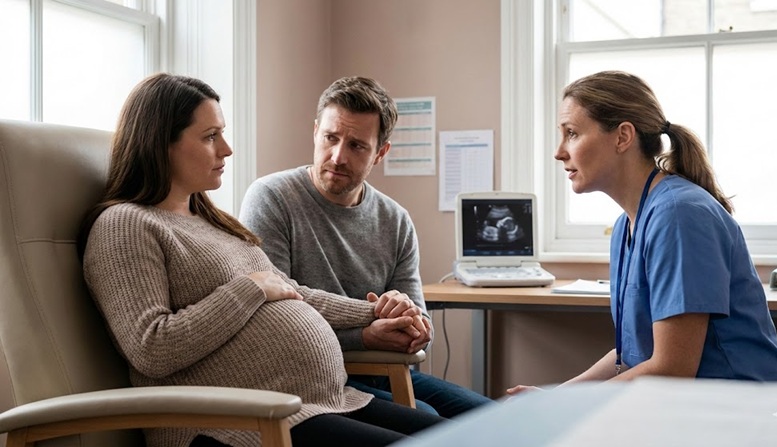
When an accident occurs during pregnancy, the stakes are unlike any other injury claim. A pregnant woman faces not only her own injuries but also the terrifying uncertainty of how trauma might affect her unborn child. This dual vulnerability makes pregnancy accident claims uniquely complex under Western Australian law.
Understanding your rights is the first step toward protecting both yourself and your baby. Western Australian law provides specific pathways for pregnancy injury compensation WA that account for both maternal and foetal harm. This article explains how these claims work, what evidence you need, and what compensation may be available to you.
Understanding Pregnancy-Related Accident Claims in Western Australia
How Pregnancy Changes the Impact of Accidents
Pregnancy changes how accidents affect the body. A fall that might cause minor bruising in a non-pregnant person can trigger placental abruption in an expectant mother. A seemingly minor car collision can result in premature labour or foetal distress.
Western Australian courts recognise these heightened risks. When assessing pregnancy injury compensation WA claims, decision-makers consider both immediate trauma and long-term complications that may not appear until delivery or even years later.
The legal principle of “duty of care” extends to protecting pregnant women from foreseeable harm. Property owners, employers, and other road users must take reasonable precautions when their actions could affect expectant mothers.
The Dual Vulnerability Principle in WA Law
WA law acknowledges that a pregnancy accident creates two potential victims – the mother and the unborn child. This is sometimes called the “dual vulnerability” principle.
It means the assessment of your claim must account for both your physical injuries and any harm caused to your baby. A standard injury claim framework is not enough. Specialist legal and medical expertise is essential to capture the full extent of what you and your family have suffered.
Types of Accidents That Cause Pregnancy Complications
Motor Vehicle Accidents During Pregnancy
Car accidents represent one of the most common causes of pregnancy-related trauma in WA. Even at low speeds, the force of impact can cause:
- Placental abruption – when the placenta separates from the uterine wall
- Premature rupture of membranes – leading to early labour
- Direct foetal injury – from seatbelt pressure or impact forces
- Maternal haemorrhage – threatening both lives
The Insurance Commission of Western Australia handles most motor vehicle injury claims. When the accident involves a pregnant woman, medical assessments must include obstetric specialists who can evaluate both maternal injuries and foetal wellbeing. If you are pursuing car accident injury compensation following a collision during pregnancy, ensuring all obstetric evidence is properly documented is critical to the strength of your claim.
Workplace Accidents and Pregnancy
Pregnant workers in WA maintain the right to safe working conditions. Employers must conduct risk assessments that account for pregnancy-related vulnerabilities. Common workplace accidents affecting pregnant women include:
- Slips and falls on wet or uneven surfaces
- Lifting injuries from inadequate manual handling policies
- Exposure to harmful chemicals or substances
- Excessive standing or physical demands
WorkCover WA provides coverage for workplace injuries during pregnancy. However, claims often require specialist medical evidence linking the accident to pregnancy complications. A workers compensation claim related to pregnancy requires careful timing – some complications may not appear until delivery. Early legal advice protects your right to claim.
Public Place Accidents and Pregnancy
Pregnant women face increased fall risks due to changes in balance, centre of gravity, and joint laxity. When falls occur due to negligence in public spaces, liability may rest with property owners or managers.
Examples include:
- Uneven pavements outside retail premises
- Poorly maintained shopping centre floors
- Inadequate lighting in public facilities
- Missing hazard warnings near construction areas
These situations may give rise to a public liability claim where the property owner failed to maintain safe conditions or provide adequate warnings. Public liability claims require evidence of negligence – proof that the property owner knew, or should have known, about the hazard and failed to act.
Medical Evidence Requirements for Pregnancy Injury Claims
Immediate Medical Assessment After an Accident
Any pregnant woman involved in an accident should receive immediate medical evaluation – even if she feels unharmed. Critical initial assessments include:
- Foetal heart rate monitoring – to detect distress
- Ultrasound examination – to check placental position and foetal wellbeing
- Maternal vital signs – to identify internal bleeding or shock
- Tocodynamometry – to detect premature contractions
These initial records become crucial evidence when establishing the link between the accident and subsequent complications. The sooner you seek assessment, the stronger your pregnancy injury compensation WA claim will be.
Ongoing Monitoring and Documentation
Pregnancy injury compensation WA claims often require extended medical surveillance. Complications may develop days or weeks after the initial trauma. Essential ongoing documentation includes:
- Regular obstetric check-ups with detailed clinical notes
- Specialist consultations (maternal-foetal medicine, neonatology)
- Diagnostic imaging results (ultrasounds, MRI when safe)
- Labour and delivery records
- Neonatal intensive care documentation if required
Medical practitioners must specifically note any deviations from normal pregnancy progression. Their clinical opinion on whether the accident contributed to complications forms a central part of your claim.
Why Causation Is More Complex in Pregnancy Claims
Proving causation in pregnancy injury compensation WA cases requires comprehensive medical documentation. Unlike standard injury claims, pregnancy complications may have multiple potential causes. This makes expert evidence essential.
Insurers and defendants may attempt to argue that complications were unrelated to the accident – attributing them instead to pre-existing conditions or natural pregnancy variation. Strong specialist evidence counters these arguments and protects your entitlements.
Compensation Categories for Pregnancy-Related Accidents
Maternal Injury Compensation
The mother’s physical injuries form the first category of birth injury mother baby compensation. This includes:
- Emergency medical treatment – ambulance, hospital admission, surgery
- Ongoing obstetric care – additional monitoring and specialist consultations
- Psychological treatment – for trauma, anxiety, and pregnancy-related distress
- Loss of income – when injuries prevent work during or after pregnancy
- Pain and suffering – for both physical injuries and emotional distress
WA law allows compensation for the mother’s diminished quality of life during what should have been a positive pregnancy experience.
Foetal and Neonatal Harm
When accidents cause injury to the unborn child, separate compensation considerations apply. WA law recognises that a child born alive can claim for injuries sustained in utero.
Compensable birth injury mother baby harm includes:
- Premature birth complications – respiratory distress, developmental delays
- Birth injuries – cerebral palsy, neurological damage
- Ongoing medical needs – therapy, specialist care, equipment
- Future care costs – lifetime support for severe disabilities
- Loss of earning capacity – when injuries affect future work prospects
When an accident causes severe, permanent harm to a baby, the claim may involve catastrophic injury compensation – covering lifetime care costs, specialist support, and the profound impact on the child’s future. Life-care planning experts can project these costs with precision to ensure the full extent of your child’s needs is accounted for.
Pregnancy Loss Compensation
The most devastating outcome – pregnancy loss following an accident – creates unique pregnancy injury compensation WA considerations. WA law has evolved to recognise the profound grief and loss parents experience.
Compensation may include:
- Medical expenses related to the loss
- Psychological counselling for both parents
- Funeral or memorial costs
- Loss of the pregnancy experience
- Pain and suffering for the mother
Courts assess these claims with sensitivity to the emotional trauma while applying established legal principles around damages for psychiatric injury. Every case is different – the specific circumstances of the accident and the stage of pregnancy will shape what compensation is available.
Time Limits and the Claims Process
Standard Limitation Periods in WA
Western Australia imposes strict time limits on injury claims. For pregnancy-related accidents, these limitations can become complex.
Most personal injury claims in WA must be commenced within three years from the date of the accident or from when the injury was first discovered. For motor vehicle accidents, claimants must notify the Insurance Commission within 12 months.
Special Considerations for Pregnancy and Child Claims
Complications from pregnancy accidents may not appear immediately. A baby born with developmental issues might not receive a definitive diagnosis until months or years after birth.
WA courts recognise this reality. The limitation period for a child’s claim typically does not begin until they turn 18, giving them until age 21 to commence proceedings. However, parents claiming for their own psychological injury from their child’s harm face the standard three-year limit.
Given these complexities, pregnant accident victims should seek legal advice immediately. Early action ensures medical evidence is properly preserved, witnesses can be identified, required notifications are made, and all potential claims are protected.
How a Pregnancy Injury Claim Unfolds
The claims process for pregnancy injury compensation WA involves several key stages. First, evidence is gathered – accident documentation, medical records from initial treatment through to delivery, witness statements, and expert reports from obstetricians and paediatricians. Next, liability is assessed by analysing duty of care, breach, causation, and foreseeability.
Quantum assessment follows – calculating all past and future medical expenses, lost income, care needs, and pain and suffering. For severe foetal injuries, life-care planners project costs over the child’s lifetime.
Most birth injury mother baby compensation claims settle without trial through negotiation. Comprehensive evidence and experienced representation are essential during this stage, as insurers may attempt to minimise pregnancy-related claims by arguing alternative causes. If fair settlement cannot be reached, court proceedings become necessary – these cases often involve multiple expert witnesses and detailed evidence about causation and long-term impacts.
Protecting Your Rights After a Pregnancy Accident
Immediate Steps to Take
If you are pregnant and involved in any accident, these steps protect both your health and your legal position:
- Seek immediate medical assessment – even if you feel fine
- Report the accident to police (if applicable) and to the property owner or employer
- Document everything – photographs, witness details, written records
- Inform your obstetrician immediately so they can monitor for complications
- Avoid giving statements to insurers without legal advice first
Pregnant accident victims sometimes inadvertently compromise their pregnancy injury compensation WA claims by delaying medical treatment, failing to report the accident promptly, or accepting early settlement offers without understanding their full entitlements. Not documenting the emotional and practical impact of complications is another common mistake – as is assuming that because the baby appears healthy, no claim exists. Professional legal guidance helps you avoid these pitfalls and ensures the full scope of birth injury mother baby compensation is properly assessed.
Why Specialist Legal Support Makes the Difference
Pregnancy injury compensation WA claims sit at the intersection of personal injury law, medical negligence principles, and obstetric medicine. They require lawyers who understand how pregnancy complications develop, what medical evidence proves causation, and how to value claims involving both maternal and foetal harm.
Separovic Injury Lawyers is a Perth-based personal injury law firm assisting injured people across Western Australia with workers compensation, car accident, public liability, and catastrophic injury claims. Our experience with birth injury mother baby claims means we know which experts to engage, what evidence to gather, and how to present your case effectively.
An accident during pregnancy can alter your family’s entire future. The compensation system exists to ensure you and your child receive the medical care, financial support, and justice you deserve. Do not let time limits or legal complexity prevent you from pursuing what is rightfully yours.
Conclusion
Pregnancy injury compensation WA recognises that accidents during pregnancy create dual vulnerability. Both maternal injuries and foetal harm deserve comprehensive compensation – accounting for immediate trauma, long-term complications, and psychological impacts.
WA law provides clear pathways to claim birth injury mother baby compensation, but successful claims require substantial medical evidence, expert testimony, and an understanding of complex causation principles. Time limits apply strictly – generally three years for maternal claims, though child claims benefit from extended limitation periods.
Whether your accident occurred in a motor vehicle, at a workplace, or in a public place, different compensation schemes apply. Knowing which framework applies to your situation determines which legal pathway is available and what evidence you need to build a strong claim. Every case is different – speak with a qualified solicitor about your specific circumstances.For a free consultation about your pregnancy injury compensation claim, contact our personal injury lawyers Perth on (08) 9227 1000.


