
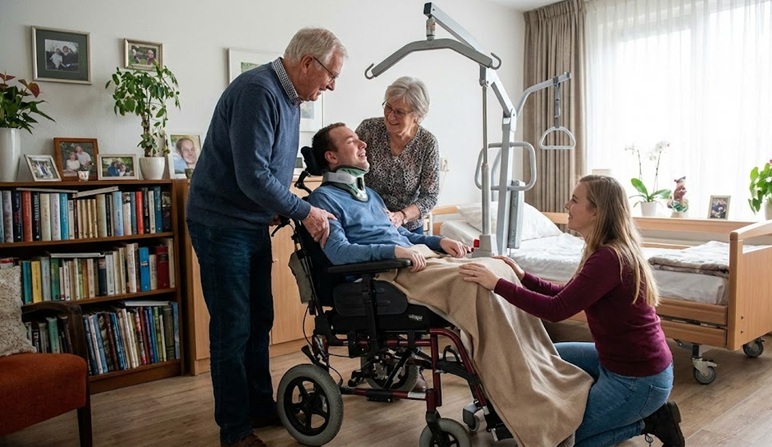
When catastrophic injury strikes, the impact radiates far beyond the injured person. Parents, siblings, grandparents, and extended family members often find themselves thrust into caregiving roles they never anticipated. The financial strain and emotional upheaval can last years or even decades.
Western Australian law recognises that catastrophic injuries affect entire family networks, not just the primary victim. However, understanding who qualifies for family members compensation claims and what support exists requires navigating complex legal territory. The rules vary significantly based on injury circumstances and the nature of family relationships involved.
Understanding Catastrophic Injury in Legal Terms
What Counts as Catastrophic Injury Under WA Law
Catastrophic injuries fundamentally alter a person’s ability to function independently. These typically include severe traumatic brain injuries, spinal cord damage resulting in paralysis, multiple amputations, severe burns covering significant body areas, or combinations of injuries requiring permanent care.
The legal definition matters because it determines eligibility thresholds. Under WA’s personal injury framework, catastrophic injury family support designation triggers different compensation structures. It also extends potential claimants beyond the injured person to those whose lives are irrevocably changed by providing care and support.
For more information about what entitlements may be available, see the catastrophic injury compensation page, which outlines the scope of claims available for permanently injured people and their families.
How Catastrophic Injury Affects Entire Families
Medical assessments quantify impairment levels, but the real-world impact on families often exceeds clinical measurements. A 28-year-old rendered quadriplegic after a workplace fall doesn’t just lose independence. Their parents may abandon retirement plans to provide daily care. Siblings may relocate to help. Extended family members restructure their entire lives around new caregiving realities.
Understanding the legal options available to these family members is the first step toward fair recognition of the sacrifices being made.
Who Qualifies as Extended Family in Compensation Claims
Eligibility Criteria and Relationship Requirements
WA law draws clear distinctions between immediate and extended family when determining family members compensation claims eligibility. Immediate family members – spouses, de facto partners, children, and parents – generally have more straightforward pathways to claim. Extended family faces higher evidentiary thresholds.
Extended family typically includes siblings and half-siblings, grandparents and grandchildren, aunts, uncles, nieces, and nephews, cousins with demonstrable close relationships, and step-family members with established dependency.
The critical factor isn’t biological connection but demonstrable reliance and relationship quality before the injury occurred. Courts examine whether the extended family member provided or received substantial care, financial support, or emotional dependency prior to the catastrophic event.
How Close Relationships Strengthen Your Claim
A grandmother who provided daily childcare for her grandson before his severe brain injury has stronger standing than a distant cousin who maintained only occasional contact. Documentation proving pre-existing close relationships strengthens family members compensation claims significantly.
This means gathering evidence from before the injury occurred – records of regular visits, shared living arrangements, financial support, and care provided – is often just as important as documenting post-injury losses.
Direct Compensation Rights for Family Members
Extended family members cannot typically claim compensation for the injured person’s pain and suffering. That right belongs to the primary victim. However, they may pursue family members compensation claims for specific losses directly affecting them.
Economic Loss Claims for Carers
Family members who reduce work hours or abandon employment to provide care can claim lost income. These claims require proving the caregiving necessity and quantifying actual financial losses sustained.
The calculation extends beyond immediate lost wages. Future earning capacity, superannuation contributions, and career advancement opportunities foregone due to caregiving responsibilities all factor into comprehensive assessments. A sister who leaves a $75,000 annual position to care for her catastrophically injured brother can claim both immediate lost income and projected future earnings over the anticipated care period. This type of claim often intersects with car accident injury compensation entitlements when a road accident caused the original injury.
Out-of-Pocket Expenses and Gratuitous Care Claims
Family members often incur substantial unreimbursed expenses. These include travel costs for hospital visits, accommodation during treatment periods, medical equipment purchases, home modifications, and daily care supplies. Meticulous record-keeping from the injury date forward strengthens these catastrophic injury family support claims.
Even small expenses accumulate significantly. Daily parking fees at rehabilitation facilities, fuel costs for medical appointments, and meals during extended hospital stays can total thousands annually. Courts recognise these financial burdens when supported by receipts and detailed expense logs.
When family members provide care without payment, they may claim compensation for the reasonable value of services rendered. These gratuitous care claims recognise that unpaid family carers perform work that would otherwise require paid professionals. A parent providing 40 hours weekly of personal care, medication management, and mobility assistance delivers services at rates that would attract substantial commercial fees.
Dependency Claims Under Different Injury Circumstances
The circumstances causing catastrophic injury determine which compensation scheme applies and what family members compensation claims are possible. WA operates multiple frameworks with varying provisions for family members.
Motor Vehicle Accidents and ICWA Coverage
When catastrophic injury results from motor vehicle accidents, the Insurance Commission of WA (ICWA) administers claims under the Motor Vehicle (Catastrophic Injuries) Act 2016. This scheme provides lifetime treatment, care, and support for eligible catastrophically injured people.
Family members don’t receive direct payments under this no-fault scheme, but the comprehensive care coverage reduces family financial burdens substantially. The scheme funds professional carers, home modifications, assistive technology, and ongoing medical treatment – expenses that would otherwise fall on family members.
Extended family may still pursue common law claims against at-fault drivers for specific losses like lost income from caregiving or recognised psychiatric injuries resulting from the trauma.
Workplace Injuries and Workers Compensation
WorkCover WA provides compensation for work-related catastrophic injuries, but coverage for extended family members is limited. The scheme primarily compensates the injured worker, with family members compensation claims generally restricted to fatal injury scenarios.
However, family members may pursue common law damages against negligent employers or third parties if fault is established. A brother who suffers depression requiring treatment after witnessing his sibling’s catastrophic workplace injury may have grounds for a separate claim if employer negligence caused the incident.
For more about how workers compensation operates in WA and what extended family members can and cannot access through this scheme, early legal advice is important to understand what pathways are available.
Extended family members who become primary carers can sometimes access carer support payments through other government schemes, even if they cannot claim directly through WorkCover. Navigating these overlapping systems requires understanding which benefits are available through which channels.
Public Liability Incidents and Negligence Claims
Catastrophic injuries from slips, falls, or accidents on public or private property trigger public liability claims against property owners or occupiers. These claims can include family members compensation claims components when negligence is proven.
Extended family members have stronger catastrophic injury family support claim prospects in public liability cases than under no-fault schemes. If a grandmother is catastrophically injured in a shopping centre fall caused by poor maintenance, adult children who become carers can pursue compensation for their economic losses and care provision.
The key requirement is establishing that the property owner’s breach of duty caused both the primary injury and the consequential family member losses. Causation links must be clear and foreseeable.
Psychiatric Injury Claims for Family Members
Extended family members who develop recognised psychiatric conditions after witnessing catastrophic injury or dealing with its aftermath may have independent family members compensation claims. These aren’t derivative of the primary victim’s claim but stand-alone actions for psychological harm.
When Psychological Harm Becomes Compensable
WA law requires psychiatric injury claimants to meet specific criteria. The condition must be a recognised psychiatric illness – not simply grief, stress, or emotional upset. Conditions like major depressive disorder, post-traumatic stress disorder, or anxiety disorders diagnosed by psychiatrists meet this threshold.
Proximity requirements also apply. Family members must demonstrate they were close to the traumatic event – either witnessing it directly or arriving at the scene shortly afterward – or had a sufficiently close relationship with the injured person that psychiatric harm was foreseeable.
Evidence Requirements for Psychiatric Claims
A father who witnesses his daughter’s catastrophic sporting injury has stronger psychiatric claim grounds than a distant cousin who learns about the injury days later. Courts examine both physical and relational proximity when assessing these catastrophic injury family support claims. Where the original injury arose from a road accident, car accident injury entitlements and separate psychiatric injury claims may run concurrently under different legal frameworks.
Keeping detailed records of incidents, your symptoms, and how they affect your daily functioning strengthens psychological injury claims. Unlike a broken bone with clear X-ray evidence, these claims rely heavily on documented symptoms and professional assessments.
Separovic Injury Lawyers is a Perth-based personal injury law firm assisting injured people and their families across Western Australia with catastrophic injury, workers compensation, car accident, and public liability claims – all on a no win no fee basis.
Practical Steps for Extended Family Members
Family members considering family members compensation claims should take specific actions to protect their legal rights and strengthen potential claims.
Documentation From Day One
Maintaining detailed records from the moment of injury is one of the most important things extended family members can do. This includes:
Daily care logs noting hours spent and tasks performed. All receipts for injury-related expenses, no matter how small. Work records showing reduced hours or employment changes. Medical records documenting your own health impacts. Correspondence with insurers, medical providers, and employers.
Contemporary documentation carries far more evidentiary weight than retrospective reconstruction. A care diary started in the week after injury provides concrete proof. Recollections created years later during litigation face credibility challenges.
Early Legal Advice and Financial Planning
Time limits apply to personal injury claims in WA. Generally, claims must be filed within three years of the injury date, though some circumstances allow extensions. Early consultation ensures you don’t miss critical deadlines.
Legal advice early in the process also helps you understand which expenses are claimable and how to document them effectively. Many family members unknowingly undermine potential family members compensation claims by failing to preserve evidence or accepting informal care arrangements that complicate later compensation recovery. If the injury occurred at a workplace, understanding workers compensation entitlements for the injured person is also important context for planning your own claim.
Catastrophic injuries create lifetime financial implications. Extended family members involved in long-term care should develop comprehensive financial plans. Structured settlement options, trust arrangements protecting compensation funds, and superannuation and retirement planning for family members whose careers are disrupted all need careful consideration.
Government Support Systems Beyond Compensation Claims
While pursuing family members compensation claims, extended family members should also access available government support. These systems provide immediate assistance without waiting for litigation resolution.
NDIS, Centrelink, and State Programs
The National Disability Insurance Scheme (NDIS) may provide support for catastrophically injured people, including funding for professional carers that reduces family burden. Carer Payment and Carer Allowance through Centrelink offer financial support for family members providing substantial care.
State-based programs like the Home and Community Care program provide respite services, home modifications, and assistive equipment. These supports don’t affect compensation entitlements but provide crucial assistance during the often-lengthy claims process.
For motor vehicle accidents, ICWA’s catastrophic injury scheme provides comprehensive lifetime care funding that works alongside – not instead of – these government support pathways. Understanding what the scheme covers is an important first step in determining how it interacts with your own compensation rights as a family member.
When Claims Are Denied and What to Do
Not all family members compensation claims succeed. Insurers and defendants frequently dispute extended family entitlements, arguing the relationship wasn’t sufficiently close, the care wasn’t necessary, or the losses aren’t compensable under applicable law.
When claims are denied, family members have options. Internal insurer reviews, complaints to insurance ombudsman services, and court proceedings can challenge unfair denials. However, these processes require understanding the specific grounds for denial and the legal framework governing your claim type.
Some denials reflect genuine legal limitations rather than insurer bad faith. Understanding why a claim was denied helps determine whether appeal is worthwhile or whether alternative support avenues should be pursued instead.
Conclusion
Extended family members affected by catastrophic injury navigate challenges extending far beyond standard legal complexity. Family members compensation claims require proving pre-existing close relationships, genuine care necessity, and clear causation between the injury and consequential losses.
WA law provides pathways for extended family to claim compensation for economic losses, out-of-pocket expenses, and gratuitous care provision in WA. However, eligibility thresholds are high and evidentiary requirements are substantial. Professional legal support is essential for navigating these complex claims.
Time limits apply strictly to all personal injury claims in Western Australia. Generally, claims must commence within three years of the injury date. Early legal advice protects your rights while building strong evidence supporting your claim.If you’re an extended family member affected by someone’s catastrophic injury, contact our catastrophic injury team on (08) 9227 1000 for a confidential assessment. Every case is different – speak with a lawyer about your specific circumstances to understand what family members compensation claims options may exist.