
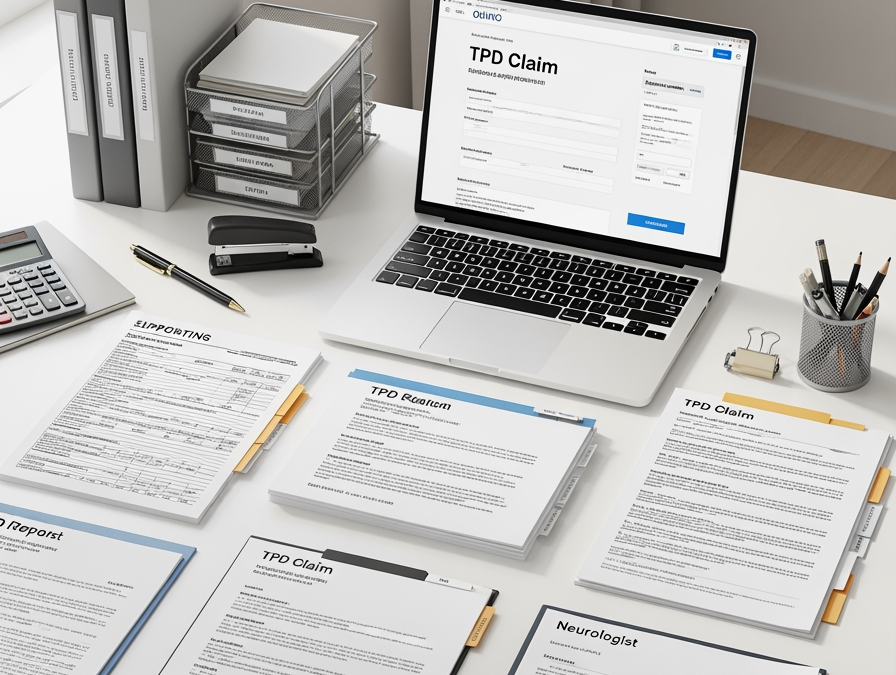
Suffering a total and permanent disability can devastate not only physical health but also financial security. For many Australians, TPD insurance provides crucial financial protection when injury or illness prevents a return to work. However, navigating the TPD claim application process requires careful preparation, comprehensive documentation, and strategic planning. Understanding each stage of this process significantly improves the likelihood of claim approval and ensures injured individuals receive the full compensation they deserve.
The TPD application guide outlined below provides essential information for Western Australian residents seeking to claim total and permanent disability benefits. Whether the policy sits within superannuation or exists as standalone cover, the application pathway involves multiple stages, strict evidentiary requirements, and potential challenges that can derail unprepared claimants.
Understanding TPD Insurance and Eligibility
TPD insurance compensates policyholders who become totally and permanently disabled and can no longer work. This coverage typically exists in two forms: insurance held within superannuation funds or standalone policies purchased separately. Superannuation-based TPD cover forms part of many default insurance arrangements, though coverage levels and definitions vary significantly between funds.
The definition of “total and permanent disability” determines eligibility and represents one of the most critical aspects of any claim. Policies generally use one of two definitions:
Own occupation definitions assess whether the claimant can return to their specific occupation or a similar role requiring comparable skills and training. These definitions typically favour claimants with specialised skills or professional qualifications.
Any occupation definitions require proof that the disability prevents the claimant from working in any occupation for which they are reasonably suited by education, training, or experience. These definitions impose stricter criteria and make approval more challenging.
Some policies transition from own occupation to any occupation definitions after specified waiting periods. Understanding which definition applies to a particular policy shapes the entire TPD claim application process and determines what evidence must be gathered.
Medical criteria typically require that the disability be permanent, meaning it will last for the rest of the claimant’s life or for a specified minimum period (often two years). The condition must also meet the policy’s specific definition of total disability, which varies between insurers.
Preparing Your TPD Claim Application
Gathering Essential Medical Evidence
Medical evidence forms the foundation of every successful TPD claim. Insurers require comprehensive documentation demonstrating both the nature and permanence of the disability. Separovic Lawyers assist clients in identifying and obtaining the specific medical evidence needed to support TPD applications effectively.
Specialist medical reports carry significant weight in the assessment process. Reports should come from treating specialists rather than general practitioners alone, though GP records provide valuable longitudinal context. Specialists must clearly outline the diagnosis, treatment history, prognosis, and most importantly, functional limitations caused by the condition.
Functional capacity evaluations conducted by occupational therapists or physiotherapists provide objective assessments of physical and cognitive abilities. These evaluations demonstrate specific work-related limitations and support claims that the disability prevents employment.
Ongoing treatment records document the persistence and progression of the condition. Consistent medical treatment demonstrates the seriousness of the disability and counters insurer arguments that conditions may improve with additional therapy or intervention.
Psychiatric and psychological reports become essential when mental health conditions contribute to or constitute the total and permanent disability. Conditions such as chronic pain syndrome, post-traumatic stress disorder, depression, and anxiety often require detailed psychiatric assessment to establish their disabling impact.
Financial and Employment Documentation
Beyond medical evidence, the TPD application guide emphasises the importance of employment and financial documentation. Detailed employment history establishes the claimant’s work capacity before the disability and demonstrates lost earning potential.
Position descriptions and duty statements outline the specific requirements of the claimant’s occupation. For own occupation claims, this documentation proves that the disability prevents performance of essential job duties.
Income verification through tax returns, payslips, and employment contracts establishes the financial impact of the disability. This documentation supports claims for economic loss and helps calculate appropriate compensation levels.
Vocational assessments conducted by occupational rehabilitation specialists evaluate whether the claimant possesses transferable skills or could retrain for alternative employment. For any occupation claims, comprehensive vocational assessment often determines claim outcomes.
Evidence of failed return-to-work attempts demonstrates genuine effort to resume employment despite disabling conditions. Documentation of workplace modifications, reduced hours, or supported employment programs that proved unsuccessful strengthens claims significantly.
Step-by-Step TPD Application Guide
Initial Notification and Claim Forms
The TPD claim application process begins with formal notification to the insurer or superannuation fund. Many policies impose strict timeframes for notification following the date of disability, making prompt action essential. Delays in notification can provide grounds for claim denial under policy terms.
Obtaining the correct claim forms requires identifying the specific insurer and policy details. Superannuation-based TPD claims require contacting the fund administrator, while standalone policies require direct contact with the insurance company.
Claim forms request detailed information about the disability, treatment history, employment background, and financial circumstances. Completing these forms accurately and comprehensively prevents delays and requests for additional information. Common mistakes include:
- Providing incomplete medical provider contact details
- Failing to authorise release of medical records
- Underestimating the impact of disabilities on daily living
- Omitting relevant pre-existing conditions that may affect assessment
- Missing signature requirements or authorisation clauses
Many claimants benefit from legal assistance when completing initial claim forms, as responses shape the entire assessment process and create documentary evidence that insurers scrutinise closely.
Medical Assessment Process
Following lodgement of the TPD claim, insurers typically arrange independent medical examinations (IMEs) with doctors selected by the insurance company. These examinations allow insurers to obtain their own medical opinion regarding the nature and permanence of the disability.
IME appointments can feel adversarial, as examining doctors work for the insurer rather than the claimant. However, claimants should answer questions honestly and thoroughly. Attempting to exaggerate symptoms typically backfires, as experienced medical examiners readily identify inconsistencies.
Examination reports focus on objective findings, functional limitations, and prognosis. Insurers weigh these reports heavily in claim decisions, sometimes prioritising IME opinions over treating doctor assessments. When significant conflicts arise between treating doctor and IME opinions, claims often face delays or denial.
The medical assessment process can involve multiple examinations across different specialties. Claimants with complex conditions affecting multiple body systems may undergo orthopaedic, neurological, psychiatric, and other specialist assessments.
Supporting Your Claim with Additional Evidence
Beyond core medical and employment documentation, additional evidence strengthens TPD claims considerably. Witness statements from employers, colleagues, family members, and friends provide third-party verification of functional limitations and life impact.
Employer statements confirming work limitations, modifications attempted, and reasons for employment cessation carry particular weight. Colleagues who observed declining work capacity provide credible evidence supporting disability claims.
Diary entries or daily living journals documenting pain levels, functional abilities, and activity limitations create contemporaneous evidence of disability impact. This documentation proves especially valuable for conditions involving fluctuating symptoms or invisible disabilities.
Photographic or video evidence demonstrating mobility limitations, assistive device use, or environmental modifications required at home provides tangible proof of disability severity.
Evidence of rehabilitation attempts and failed return-to-work programs demonstrates commitment to employment despite disabling conditions. When claimants have participated in work hardening programs, graduated return-to-work schemes, or vocational rehabilitation without success, this evidence significantly supports TPD applications.
Common Challenges in the TPD Claim Application Process
Reasons for TPD Claim Delays
Even well-prepared applications commonly face delays during the TPD claim application process. Understanding potential delay causes helps claimants manage expectations and respond appropriately.
Incomplete documentation represents the most frequent delay cause. When claim forms lack required information or medical reports fail to address key assessment criteria, insurers request additional documentation. Each request extends processing timeframes by weeks or months.
Insufficient medical evidence supporting permanence of the disability often triggers requests for follow-up examinations or specialist opinions. Insurers may require claimants to undergo specific treatments before considering claims, arguing that conditions might improve with appropriate intervention.
Internal assessment timeframes vary significantly between insurers. While some companies process straightforward claims within three to six months, complex cases can take twelve months or longer. During this period, claimants face ongoing financial pressure without access to TPD benefits.
Why TPD Claims Get Rejected
Claim rejections devastate applicants who anticipated financial relief. Understanding common rejection reasons helps claimants avoid pitfalls and prepare stronger applications.
Definition disputes arise when insurers argue the disability fails to meet policy criteria. For own occupation policies, insurers may claim the condition permits alternative work within the same occupation. For any occupation policies, insurers frequently argue that claimants could work in sedentary or light-duty roles despite disabilities.
Insufficient evidence of disability severity leads to rejection when insurers conclude the condition does not prevent all work activity. Subjective complaints without objective medical findings rarely satisfy insurers, particularly for conditions such as chronic pain, fatigue syndromes, or psychiatric disabilities.
Policy exclusions and waiting periods provide grounds for rejection when disabilities arise from excluded causes or occur before waiting periods expire. Pre-existing condition clauses may exclude coverage when disabilities relate to medical conditions present before policy commencement.
Some rejections result from procedural failures, such as missing notification deadlines or failing to comply with policy requirements for treatment or assessment.
Legal Representation and Expert Support
When to Seek Legal Advice
The complexity of the TPD application guide and potential financial significance of claims make legal representation valuable in many circumstances. Engaging experienced solicitors early in the process improves outcomes significantly.
Complex claims involving multiple medical conditions, psychiatric disabilities, or disputed causation benefit from legal expertise. Solicitors experienced in TPD insurance understand how to present evidence persuasively and address insurer concerns proactively.
Disputed or rejected applications require immediate legal intervention. When insurers deny claims, experienced lawyers can assess rejection grounds, identify weaknesses in insurer reasoning, and pursue appeals or dispute resolution processes effectively.
Claimants unsure about evidence requirements or feeling overwhelmed by the application process gain confidence and strategic direction through legal consultation. Early legal advice prevents common mistakes that jeopardise claim success.
How Lawyers Assist with TPD Applications
Experienced Perth solicitors provide comprehensive support throughout the TPD claim application process. Evidence gathering and case preparation represent fundamental legal services, with solicitors coordinating medical examinations, obtaining specialist reports, and compiling comprehensive claim submissions.
Lawyers skilled in workers compensation claims often bring valuable experience to TPD matters, as the evidentiary and strategic approaches share common elements. Both claim types require proving disability severity and work incapacity through medical and vocational evidence.
Negotiating with insurers forms a critical component of legal representation. When insurers propose settlement offers or dispute claim values, solicitors assess offers against policy entitlements and negotiate favourable outcomes.
Appeals and disputes resolution becomes necessary when insurers deny claims or offer inadequate settlements. Lawyers navigate internal review processes, external dispute resolution through the Australian Financial Complaints Authority (AFCA), and if necessary, litigation to enforce policy rights.
Many Perth firms, including those handling catastrophic injury compensation, offer no win no fee arrangements for TPD claims. These arrangements ensure access to expert legal representation without upfront costs, with legal fees paid from successful claim proceeds.
TPD Claims and Other Compensation Options
Relationship with Workers Compensation
Understanding how TPD insurance interacts with other compensation schemes maximises total entitlements. Many claimants hold concurrent rights to workers compensation and TPD benefits when disabilities result from workplace injuries or diseases.
WorkCover WA provides compensation for Western Australian workers injured at work, including weekly payments, medical expenses, and lump sum settlements for permanent impairment. TPD claims may proceed simultaneously with workers compensation matters when workplace injuries result in total and permanent disability.
Offset provisions in TPD policies often reduce TPD payments by amounts received through workers compensation. Policy terms dictate specific offset calculations, making careful policy review essential before settling workers compensation claims.
Experienced solicitors coordinate multiple compensation claims strategically. When claimants pursue both workers compensation claims and TPD benefits, legal advice ensures settlement timing and negotiation strategies maximise combined compensation while complying with offset provisions.
TPD and Common Law Claims
Beyond statutory compensation schemes, some injured individuals hold common law rights to sue negligent parties for damages. When third-party negligence causes disabilities – such as motor vehicle accidents resulting in permanent injuries – claimants may pursue both TPD benefits and common law damages.
Car accident injury compensation claims proceed independently of TPD applications, though coordination between claims optimises outcomes. Legal representatives managing multiple compensation pathways ensure consistent medical evidence across claims and avoid settlement provisions that prejudice other entitlements.
Common law damages can include economic loss, medical expenses, domestic assistance, and pain and suffering components. When combined with TPD benefits, these compensation sources provide more comprehensive financial protection than either pathway alone.
Timeline and What to Expect
Typical TPD Application Processing Times
Realistic timeframe expectations help claimants manage financial planning during the TPD claim application process. Standard assessment periods vary significantly based on claim complexity and insurer efficiency.
Straightforward claims with clear-cut disabilities and comprehensive documentation may resolve within three to six months. These typically involve severe physical injuries with obvious permanent impairment and unambiguous medical evidence.
Complex claims involving psychiatric conditions, chronic pain, or multiple comorbidities often require twelve to eighteen months for full assessment. Insurers scrutinise these claims more intensively and commonly request multiple independent examinations.
Several factors influence processing speed beyond claim complexity. Insurer workload and internal processes affect timeframes substantially. Claimants who respond promptly to information requests and attend scheduled examinations expedite processing.
During waiting periods, managing financial pressures becomes critical. Claimants may access alternative income sources such as Centrelink disability support pensions, workers compensation weekly payments, or income protection insurance while awaiting TPD claim outcomes.
After Approval: Payment and Ongoing Obligations
Successful TPD claims result in lump sum payments calculated according to policy terms. Payment amounts vary dramatically based on policy limits, coverage levels, and any applicable offsets for other compensation received.
Tax implications of TPD payments depend on policy structure. Superannuation-based TPD benefits may receive concessional tax treatment, particularly when paid to individuals meeting permanent incapacity conditions. Standalone policy payments outside superannuation may be tax-free. Professional financial advice ensures appropriate tax planning following TPD receipt.
Ongoing disclosure obligations may continue after payment. Claimants should understand any requirements to notify insurers of changed circumstances, such as return to work or improved medical conditions. Some policies include provisions allowing insurers to review continuing disability status.
Financial planning following TPD receipt protects long-term security. Large lump sum payments require careful management to ensure lifetime needs are met, particularly when disabilities prevent future employment and ongoing medical expenses continue indefinitely.
Conclusion
Successfully navigating the TPD claim application process requires thorough preparation, comprehensive medical evidence, and strategic planning. The TPD application guide outlined above demonstrates that TPD claims involve multiple stages, strict evidentiary requirements, and numerous potential challenges that can derail unprepared applicants.
From gathering essential medical documentation and completing claim forms accurately to responding effectively to independent medical examinations and addressing insurer concerns, each step demands careful attention. Understanding common delay causes and rejection reasons allows claimants to avoid pitfalls and build stronger applications from the outset.
The relationship between TPD benefits and other compensation options – including workers compensation and common law claims – creates opportunities to maximise total entitlements through coordinated strategic approaches. However, navigating these interconnected compensation pathways requires expert guidance to avoid offset provisions and settlement terms that inadvertently reduce overall recovery.
Legal representation significantly improves TPD claim outcomes, particularly for complex applications, disputed claims, or cases involving psychiatric disabilities and subjective symptom complaints. Experienced solicitors understand insurer assessment processes, know how to present evidence persuasively, and can negotiate effectively to secure appropriate compensation.For Western Australian residents facing total and permanent disability, understanding the application process and seeking timely legal advice protects financial security during life’s most challenging circumstances. Contact us to discuss your TPD claim and ensure you receive the expert guidance necessary to navigate this complex process successfully. With proper preparation and strategic legal support, injured individuals can secure the compensation needed to maintain financial stability despite permanent work incapacity.