
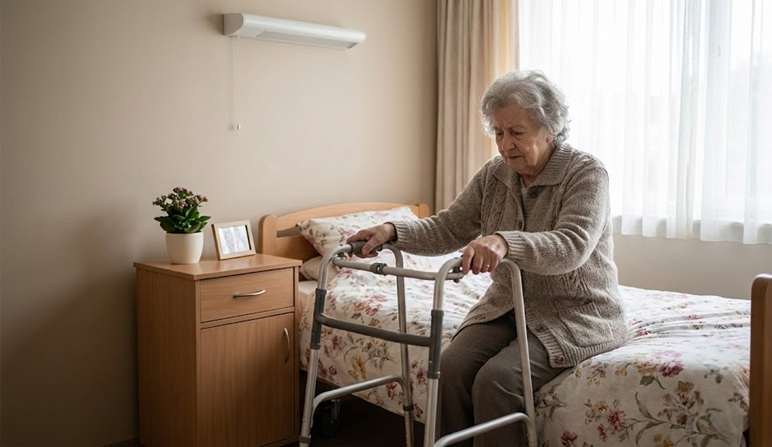
When older Australians suffer injuries, the consequences often extend far beyond the initial incident. A fall that might cause bruising in a younger person can lead to fractured hips, extended hospital stays, and permanent mobility loss in someone over 65. The stakes are higher, the recovery is longer, and the legal considerations are distinctly different.
Western Australia’s ageing population faces unique vulnerabilities when it comes to personal injury. According to the Australian Institute of Health and Welfare, falls alone account for over 40% of injury-related hospitalisations among Australians aged 65 and older. When these injuries occur due to negligence – whether in aged care facilities, public spaces, or through medical errors – elderly injury claims Perth become essential for securing appropriate compensation.
We’ve represented numerous elderly clients whose lives were upended by preventable injuries. These cases require specialised knowledge of how age affects both the injury itself and the compensation calculation.
Why Age Matters in Personal Injury Claims
The legal system recognises that identical injuries affect people differently based on their age and pre-existing health status. A 70-year-old who suffers a shoulder injury may never regain full function, while a 30-year-old might recover completely within months. This reality shapes every aspect of a senior’s injury claim.
Pre-existing conditions don’t disqualify older Australians from making elderly injury claims Perth. The critical legal principle is whether the negligent act worsened an existing condition or caused new harm. If a slip on a poorly maintained floor aggravates a senior’s arthritis to the point where they can no longer live independently, the responsible party can be held liable for that deterioration.
Recovery timelines for seniors typically extend far longer than for younger individuals. Broken bones take longer to heal, rehabilitation is more complex, and complications are more common. These extended recovery periods directly impact the calculation of medical expenses, care costs, and aged care negligence compensation.
The concept of “loss of enjoyment of life” carries particular weight in elderly injury claims. When an 80-year-old who previously volunteered, gardened, and cared for grandchildren becomes housebound due to someone else’s negligence, the loss is profound – even if their working life had already ended.
Common Causes of Elderly Injuries in Perth
Understanding where seniors are most vulnerable helps identify when negligence has occurred and who bears responsibility.
Falls remain the leading cause of injury among older Western Australians. These incidents frequently happen due to:
- Uneven pavements and footpaths in public areas
- Poorly lit stairways in shopping centres
- Wet floors without adequate warning signage
- Defective handrails or missing safety features
- Cluttered walkways in residential care facilities
When these falls occur on someone else’s property or in public spaces, public liability claims may provide compensation for medical costs, rehabilitation, and ongoing care needs.
Motor vehicle accidents involving elderly drivers or passengers often result in more severe injuries than similar accidents involving younger people. Reduced bone density means fractures are more likely, and slower healing times mean longer recovery periods. If an elderly family member has been injured in a road accident, understanding options for car accident injury compensation is essential.
Medical negligence disproportionately affects older Australians, who typically have more frequent medical interactions. Medication errors, surgical complications, misdiagnosis, and delayed treatment can all constitute medical negligence when they fall below accepted standards of care.
Assault and abuse in care settings represents one of the most disturbing categories of elderly injury. Physical mistreatment by staff members, resident-on-resident violence due to inadequate supervision, and neglect leading to preventable injuries all give rise to legal claims against responsible facilities and operators.
Nursing Home Negligence: What Constitutes a Valid Claim
Aged care facilities in Western Australia operate under strict regulatory frameworks designed to protect vulnerable residents. When facilities fail to meet these standards and residents suffer harm as a result, aged care negligence compensation becomes available.
Duty of care in residential aged care extends beyond basic medical treatment. Facilities must provide:
- Adequate staffing levels to monitor and assist residents
- Proper risk assessments for falls and other hazards
- Appropriate mobility aids and safety equipment
- Timely medical attention when health changes occur
- Dignified personal care that prevents pressure sores and infections
- Protection from abuse by staff or other residents
Negligence occurs when facilities breach these duties, and that breach directly causes harm to a resident.
Common Forms of Nursing Home Negligence
Inadequate fall prevention measures: When facilities fail to conduct proper risk assessments, don’t provide walking aids, or leave floors hazardous, they create preventable injury risks. Falls in aged care often result in hip fractures, head injuries, and a cascade of complications that dramatically reduce quality of life.
Pressure injuries (bedsores): These painful wounds develop when immobile residents aren’t repositioned regularly. Severe pressure injuries can progress to life-threatening infections. Their presence often indicates systemic neglect, as they’re largely preventable with proper care protocols.
Medication errors: Administering incorrect medications, wrong dosages, or failing to monitor for dangerous drug interactions can cause serious harm. Elderly residents taking multiple medications are particularly vulnerable to these errors.
Dehydration and malnutrition: When staff fail to assist residents who cannot feed themselves or don’t monitor food and fluid intake, serious health consequences follow. Weight loss, confusion, urinary tract infections, and weakened immunity can all result from inadequate nutritional care.
Failure to provide medical attention: Delayed responses to health emergencies, ignoring symptoms of serious conditions, or failing to arrange necessary specialist care can worsen medical conditions or allow treatable problems to become life-threatening.
Physical or psychological abuse: Direct mistreatment by staff, whether through rough handling, verbal abuse, or deliberate harm, represents the most serious breach of duty. Facilities are responsible for the actions of their employees and must maintain systems to prevent such abuse.
Proving Negligence in Elderly Injury Cases
Establishing that negligence occurred requires demonstrating four key elements: duty of care, breach of that duty, causation, and damages.
Documentation becomes crucial in these cases. Medical records, incident reports from facilities, photographs of injuries and hazardous conditions, and witness statements all build the evidence foundation. In aged care settings, facilities are required to maintain detailed records of resident care, incidents, and risk assessments – documents that become vital evidence in negligence claims.
Expert testimony often proves necessary to establish what standard of care should have been provided and how the facility’s actions fell short. Geriatric care specialists, aged care consultants, and medical experts can explain to courts why certain injuries were preventable and what proper care would have looked like.
The burden of proof rests with the claimant, meaning legal teams must demonstrate that negligence more likely than not caused the injury. This standard – known as “balance of probabilities” – is lower than the criminal standard of “beyond reasonable doubt,” but still requires substantial evidence.
Timing matters significantly in elderly injury claims Perth. Physical evidence like bruising fades, witnesses’ memories become less reliable, and crucial documents may be lost or destroyed. The Limitation Act 2005 (WA) generally provides three years from the date of injury to commence legal proceedings, though exceptions exist for cases involving diminished mental capacity.
Calculating Compensation for Elderly Injury Victims
Age significantly influences how aged care negligence compensation is calculated, but not in the way many assume. While future economic losses may be lower for retirees than working-age claimants, other factors often result in substantial compensation awards.
Medical and care costs frequently represent the largest component of elderly injury claims. These include:
- Emergency treatment and hospitalisation
- Ongoing medical appointments and specialist care
- Prescription medications and medical equipment
- Rehabilitation and physiotherapy
- Home modifications for accessibility
- In-home care or increased aged care facility fees
- Future medical needs for permanent injuries
When injuries leave seniors unable to live independently, the cost of increased care – whether in-home support or higher-level residential care – can total hundreds of thousands of dollars over their remaining lifetime. In cases involving severe permanent disabilities such as paraplegia or traumatic brain injuries, catastrophic injury compensation may be necessary to cover extensive ongoing care needs.
Pain and suffering compensation (general damages) recognises the physical pain, emotional distress, and reduced quality of life caused by the injury. Courts assess these damages based on the severity and permanence of the injury, not the victim’s age. A senior who experiences chronic pain, loss of independence, and inability to enjoy previously cherished activities is entitled to substantial general damages.
Loss of services damages compensate for the inability to perform household tasks, gardening, grandchild care, and other activities the injured person previously managed. Even if these activities didn’t generate income, they hold real value that the law recognises.
Future economic losses for retirees typically focus on increased care costs rather than lost wages. The calculation considers life expectancy, the level of care required, and current costs adjusted for future increases.
Special Considerations for Seniors Pursuing Claims
Older claimants face unique challenges that experienced injury lawyers must address proactively.
Cognitive capacity questions sometimes arise when elderly claimants have dementia or other conditions affecting decision-making. When a senior lacks capacity to give instructions, family members can apply to become their litigation guardian, enabling the claim to proceed in the person’s best interests.
Multiple pre-existing conditions require careful legal and medical analysis. The key question is always: what harm did this particular incident cause or worsen? Expert medical evidence distinguishes between pre-existing conditions and injury-related deterioration.
Shorter life expectancy affects future loss calculations but doesn’t diminish the validity of claims. A 75-year-old entitled to compensation for reduced quality of life, pain, and suffering deserves full recognition of those damages, regardless of statistical life expectancy.
Family involvement often becomes necessary when elderly claimants need assistance understanding legal processes, attending appointments, or making decisions. We work closely with families while ensuring the injured person’s wishes remain central to all decisions.
Vulnerability to pressure means seniors sometimes face attempts by insurance companies to minimise claims or secure quick, inadequate settlements. Having experienced legal representation ensures rights are protected during vulnerable times.
The Claims Process for Elderly Injury Victims
Understanding what to expect helps reduce anxiety during an already stressful time.
Initial consultation involves discussing what happened, reviewing available documentation, and assessing the strength of potential claims. This consultation is free and helps seniors understand their options without financial commitment.
Evidence gathering follows if deciding to proceed. We obtain medical records, incident reports, witness statements, and any other documentation supporting claims. For nursing home cases, this often includes requesting the facility’s internal records and policies.
Medical assessments by independent specialists evaluate injuries, prognosis, and future care needs. These assessments provide crucial evidence of the harm suffered and the compensation deserved.
Claim submission to the relevant insurer or responsible party initiates formal negotiations. We present cases with comprehensive evidence and detailed compensation calculations.
Negotiation typically follows, as most cases settle without going to court. We handle all communications with insurers, ensuring seniors aren’t pressured into accepting inadequate offers.
Litigation becomes necessary when reasonable settlement cannot be reached. While court proceedings take longer, they sometimes prove essential to securing fair aged care negligence compensation for seriously injured seniors.
Throughout this process, we keep seniors informed, explain options in plain language, and ensure they maintain control over key decisions affecting their claims.
Why Specialised Legal Help Matters for Elderly Injury Claims
The intersection of injury law, aged care regulations, and medical complexities affecting older Australians requires specific expertise that general practitioners may lack.
Lawyers experienced in elderly injury claims Perth understand how to value claims involving shortened life expectancy, pre-existing conditions, and increased care needs. We work with medical experts who specialise in geriatric care and can provide compelling evidence about causation and future needs.
We also recognise the emotional dimensions of these cases. Seniors who’ve lost independence, families watching loved ones suffer due to preventable negligence, and the betrayal felt when trusted care facilities fail their responsibilities – these human elements inform how we approach every case.
No win, no fee arrangements ensure financial concerns don’t prevent injured seniors from pursuing rightful compensation. Seniors don’t pay legal fees unless we successfully recover compensation for them.
Taking the Next Step
If an elderly family member has suffered injury due to someone else’s negligence, time is important. Evidence preservation, witness availability, and legal time limits all make early action beneficial.
A confidential discussion with Separovic Lawyers costs nothing and provides clarity about options. We’ll explain whether there’s a valid claim, what compensation might be expected, and how the process works – in straightforward language, without legal jargon.
Seniors deserve to live their later years with dignity, safety, and respect. When negligence robs them of that right, the law provides remedies that can ease financial burdens, fund necessary care, and hold responsible parties accountable.
Contact us today to discuss situations with lawyers who understand the unique aspects of elderly injury claims and are committed to securing the compensation deserved.