
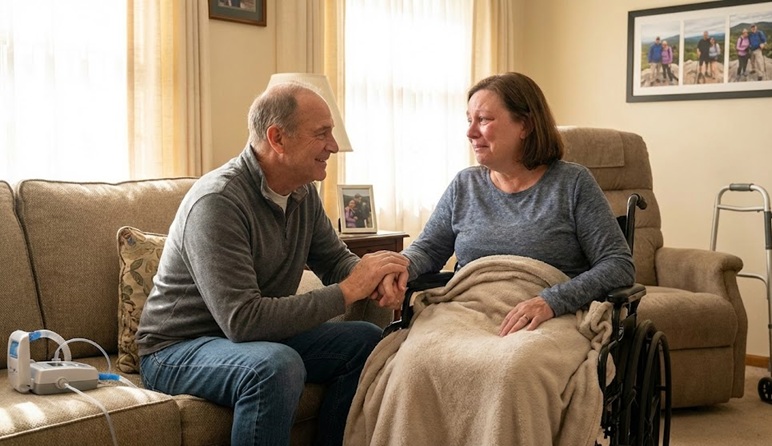
When catastrophic injury strikes your spouse, the legal system recognises something most people never consider: your loss matters too. Western Australian law provides a pathway for partners to seek compensation when severe injuries fundamentally alter their relationship, intimate life, and shared future.
Loss of consortium claims WA refers to the deprivation of the benefits of a family relationship due to injuries caused by another party’s negligence. This isn’t about your spouse’s pain or medical bills – it’s about what you’ve lost as their partner.
What Loss of Consortium Actually Covers
The law acknowledges that catastrophic injuries don’t just harm the injured person. They fundamentally change marriages and de facto relationships in measurable, compensable ways.
Loss of consortium claims WA typically encompass three distinct categories of loss. Each addresses a different dimension of how severe injuries reshape partnerships.
If you’re unsure whether your spouse’s injuries meet the threshold for catastrophic injury compensation, speaking with a lawyer early can help clarify your rights. Catastrophic injury compensation claims are assessed against specific criteria – understanding those criteria helps you know where you stand.
Loss of Companionship and Society
This covers the practical reality that your spouse may no longer be the person they were before the injury. Severe traumatic brain injuries, spinal cord damage, or catastrophic burns can alter personality, cognitive function, and the ability to engage in shared activities.
You might lose the partner who hiked with you on weekends, discussed books over dinner, or helped plan your children’s futures. The law recognises this as a genuine, compensable loss.
Loss of Services and Assistance
Before the injury, your spouse likely contributed to household management, childcare, property maintenance, and financial planning. Catastrophic injuries often eliminate or severely reduce these contributions.
When you must hire cleaners, gardeners, childcare providers, or financial advisers to replace what your spouse once provided, loss of consortium claims WA can address this practical dimension of your loss.
Loss of Consortium in the Intimate Sense
This specifically addresses the loss or severe impairment of your sexual relationship. Spinal cord injuries, severe pelvic trauma, traumatic brain injuries, and other catastrophic conditions frequently eliminate or fundamentally alter intimate relationships.
Western Australian courts recognise this as a legitimate, compensable aspect of what partners lose when negligence causes catastrophic injury.
Who Can Make These Claims in Western Australia
Not everyone qualifies to bring loss of consortium claims WA. The law sets specific criteria that determine eligibility.
Legally recognised relationships form the foundation of these claims. You must be either legally married to the injured person or in a de facto relationship recognised under WA law.
De facto relationships require evidence of a genuine domestic relationship. This typically means living together as a couple, sharing finances, presenting as partners socially, and demonstrating commitment to a shared life.
Duration and quality of the relationship matter significantly. Courts examine how long you’ve been together, the depth of your connection, and what specifically has been lost. A relationship of several months carries different weight than a marriage of twenty years.
The injury must be catastrophic in nature. Minor injuries that heal within months don’t typically support loss of consortium claims WA. These claims arise from permanent, life-altering injuries that fundamentally reshape the relationship permanently.
The Types of Injuries That Give Rise to These Claims
Not every serious injury supports a loss of consortium claims WA. The threshold is high, reflecting the severity of loss required to justify compensation to someone other than the injured person.
Brain Injuries and Spinal Cord Damage
Severe traumatic brain injuries frequently form the basis of these claims. When your spouse suffers brain damage that alters their personality, cognitive function, or ability to engage in the relationship, the loss extends beyond their individual suffering.
Complete or incomplete spinal cord injuries that result in paralysis represent classic grounds for loss of consortium claims WA. Quadriplegia and paraplegia eliminate or severely impair intimate relationships and fundamentally alter how couples interact daily.
Burns, Multiple Trauma, and Amputations
Catastrophic burns covering significant body surface area often support these claims, particularly when scarring affects intimate areas or when the psychological impact prevents normal relationship functioning.
Severe multiple trauma from motor vehicle accidents, workplace incidents, or public liability events can create the combination of physical and psychological injuries that justify spouse injury impact compensation. Public liability compensation claims may arise when injuries occur in public places, on commercial premises, or in other settings where an occupier owed a duty of care.
Amputations of multiple limbs or injuries requiring extensive ongoing care may support claims when they fundamentally reshape the relationship’s practical and intimate dimensions.
How These Claims Work Within the Broader Compensation Framework
Loss of consortium claims WA don’t stand alone. They form part of the broader compensation framework available when negligence causes catastrophic injury compensation claims to be pursued.
The Primary Claim Comes First
Your spouse’s personal injury claim takes priority. That claim addresses their pain and suffering, medical expenses, loss of earning capacity, future care needs, and all other losses flowing directly from their injuries.
Your loss of consortium claims WA is derivative – it depends on proving that someone else’s negligence caused your spouse’s catastrophic injuries. If your spouse’s claim fails, your consortium claim fails too.
Separovic Injury Lawyers has extensive experience with catastrophic injury claims and the associated family member claims, including loss of consortium. We understand the sensitivity these claims require and the evidence necessary to succeed.
Different Damages for Different Losses
The compensation available through loss of consortium claims WA addresses your specific losses, not your spouse’s. Courts assess what you’ve lost as their partner, separate from what they’ve lost as the injured person.
This means separate damages calculations, separate evidence requirements, and separate consideration of how the injury has affected your life specifically.
Time Limits Apply Strictly
Western Australia imposes strict time limits on personal injury claims. For motor vehicle accidents, you typically have three years from the accident date. For other negligence claims, the limitation period is also generally three years.
These same time limits apply to loss of consortium claims WA. Missing the deadline eliminates your right to compensation, regardless of the severity of your losses.
What You Need to Prove
Bringing a successful loss of consortium claims WA requires substantial evidence across multiple dimensions. Courts don’t simply accept that catastrophic injury affects partners – they require proof of specific, quantifiable losses.
Evidence of the Relationship Before Injury
You must establish what your relationship was like before the catastrophic event. This includes evidence of your shared activities, intimate relationship, division of household responsibilities, and emotional connection.
Photographs, social media posts, witness statements from friends and family, and your own testimony all contribute to painting this picture.
Medical Evidence of Catastrophic Injury
Your spouse’s medical records, specialist reports, and prognosis form the foundation. You need evidence that the injuries are permanent, severe, and fundamentally life-altering.
Expert medical testimony often proves necessary to establish that the injuries prevent normal relationship functioning permanently.
Evidence of Your Specific Losses
This is where many claims succeed or fail. You must demonstrate precisely what you’ve lost as a result of your spouse’s injuries.
Detailed personal statements describing how daily life has changed, how your intimate relationship has been affected, and what companionship you’ve lost prove essential. Psychological reports assessing your adjustment and losses add professional weight to your claims.
Evidence of hired services replacing what your spouse once provided – cleaning receipts, childcare invoices, gardening bills – quantifies the practical dimension of your loss.
Causation Evidence
You must prove that the negligent party’s actions caused your spouse’s catastrophic injuries, which in turn caused your losses. This causation chain must be clear and unbroken.
The Compensation Available
Loss of consortium claims WA can result in substantial compensation when the evidence supports significant, permanent losses. The amounts vary dramatically based on circumstances.
Courts consider multiple factors when assessing damages. The severity and permanence of your spouse’s injuries directly affect your compensation. More severe injuries that eliminate more aspects of your relationship justify higher awards.
The duration and quality of your relationship before the injury matters significantly. A marriage of decades with deep connection and extensive shared life warrants different consideration than a newer relationship.
Your age and life expectancy factor into calculations. Younger couples facing decades of altered relationship dynamics typically receive higher awards than older couples with shorter remaining life expectancy.
The specific nature of your losses determines much of the calculation. Complete loss of intimate relationship, combined with personality changes that eliminate companionship, and substantial loss of household services justifies higher compensation than lesser impacts.
Western Australian courts have awarded spouse injury impact compensation damages ranging from tens of thousands to several hundred thousand dollars in cases involving the most catastrophic injuries and profound relationship impacts.
How Claims Interact with Other Compensation
Understanding how loss of consortium claims WA fit within the broader compensation landscape helps set realistic expectations.
The bulk of compensation flows to your catastrophically injured spouse. Their claim addresses their medical expenses, care needs, pain and suffering, and lost earning capacity. Your loss of consortium claims WA supplements this by addressing your distinct losses as their partner.
In cases involving catastrophic injury, children may have claims for loss of parental care and guidance. These claims don’t compete with each other – they address different losses suffered by different people.
The source of compensation affects how claims proceed. Motor vehicle accident claims in WA go through the insurance system, with specific processes and requirements.
Workers’ compensation claims follow different pathways and may have different provisions for family members’ losses.
Public liability claims for injuries occurring in public places or on others’ property follow common law negligence principles.
The Emotional Reality and Why Legal Representation Matters
Making a loss of consortium claims WA requires confronting painful realities about how catastrophic injury has changed your life and relationship.
The Personal Difficulty of These Claims
You’ll need to discuss intimate aspects of your relationship with lawyers, potentially testify about your sexual relationship, and detail exactly how your spouse’s personality or capabilities have changed.
This process feels invasive and difficult. Many partners struggle with feelings of guilt about seeking compensation for their own losses when their spouse has suffered so catastrophically.
Understanding that you’ve suffered genuine, compensable losses – and that the law recognises your right to compensation – helps many partners move forward with claims.
The compensation you receive can fund counselling, replace lost household services, and provide financial stability when your spouse’s injuries have eliminated their earning capacity.
Why Legal Representation Is Essential
Loss of consortium claims WA involve complex legal principles, substantial evidence requirements, and significant catastrophic injury compensation at stake. Self-representation rarely succeeds.
Experienced personal injury lawyers Perth understand how to gather and present evidence that proves your specific losses. They know what medical evidence courts require, how to quantify non-economic losses, and how to present intimate relationship impacts in legally compelling ways.
We work on a no-win, no-fee basis for personal injury claims, meaning you don’t pay legal fees unless we secure compensation for you.
Taking the First Step
If your spouse has suffered catastrophic injury due to someone else’s negligence, you have rights that extend beyond their personal injury claim. Your losses matter, and Western Australian law provides pathways to compensation.
The time limits are strict, and the evidence requirements are substantial. Early legal advice ensures you understand your rights and preserves your claim.
Your spouse’s catastrophic injury has already taken enough from you. Don’t let strict time limits or unfamiliarity with legal processes take your right to compensation too.
Conclusion
Loss of consortium claims WA recognises that catastrophic injuries affect entire families, not just the injured person. Partners who lose companionship, household contributions, and intimate relationships due to their spouse’s severe injuries deserve compensation for these profound losses.
The legal framework provides pathways to claim spouse injury impact compensation for the deprivation of family relationship benefits. However, these claims require substantial evidence proving the relationship before injury, the catastrophic nature of harm, specific losses experienced, and clear causation chains.
Courts assess these sensitive claims carefully, considering relationship duration, injury severity, age factors, and the specific nature of losses. Awards can reach hundreds of thousands of dollars when evidence supports profound, permanent relationship impacts. Every case is different – the outcome depends on your specific circumstances and the evidence available.
Time limits apply strictly to loss of consortium claims WA. Missing the three-year limitation period eliminates compensation rights regardless of loss severity. Early legal advice protects your rights while preserving crucial evidence.For a free, confidential assessment of your loss of consortium claim, contact our catastrophic injury lawyers Perth on (08) 9227 1000. We’ll explain whether you have grounds for a claim, what evidence you’ll need, and what compensation may be available. Your losses matter, and the law provides remedies.