When an injury occurs, the path to compensation can feel complicated for anyone. For Aboriginal and Torres Strait Islander people in Western Australia, additional barriers often make this process even more challenging. Language differences, cultural protocols, geographical isolation, and historical mistrust of legal systems can all impact whether injured community members pursue the compensation they’re entitled to.
Understanding the Barriers Aboriginal People Face in Accessing Injury Compensation
Aboriginal and Torres Strait Islander people encounter unique obstacles when seeking Aboriginal injury compensation WA. These barriers often compound, creating a system that feels inaccessible or unwelcoming.
Geographic isolation presents the most immediate challenge. Many Aboriginal communities in WA are located in remote or very remote areas, hundreds of kilometres from legal services. This distance makes face-to-face consultations difficult and increases reliance on phone or digital communication, which may not align with cultural preferences for in-person discussion.
Language barriers extend beyond simple translation needs. English may be a second, third, or even fourth language for many Aboriginal people. Legal terminology compounds this challenge – even fluent English speakers struggle with phrases like “contributory negligence” or “quantum of damages.” When legal concepts don’t translate directly into Aboriginal languages, misunderstandings about rights and entitlements become common.
Cultural protocols around discussing injuries and seeking help differ significantly from mainstream Australian approaches. Some Aboriginal cultures view discussing personal trauma or physical harm with strangers as inappropriate. Gender considerations matter too – some women prefer speaking only with female lawyers, while certain men’s business requires male representation.
Historical mistrust of government institutions and legal systems stems from decades of policies that harmed Aboriginal families and communities. This history creates understandable reluctance to engage with lawyers, even when they’re working in the client’s best interest. Building trust takes time, cultural competency, and consistent demonstration of respect.
The Importance of Culturally Safe Legal Services
Culturally safe legal services recognise that Aboriginal clients bring different worldviews, communication styles, and needs to the lawyer-client relationship. This approach goes beyond cultural awareness to actively reshape how services are delivered.
Cultural safety means Aboriginal clients feel respected, understood, and comfortable throughout the legal process. It requires lawyers to examine their own cultural assumptions and adjust their practice accordingly. A culturally safe service acknowledges that the client knows their own cultural needs best.
Aboriginal injury compensation WA services recognise that standard legal processes may not suit all clients. Flexible appointment times, willingness to meet in community settings, and patience with different communication styles all contribute to a more accessible service.
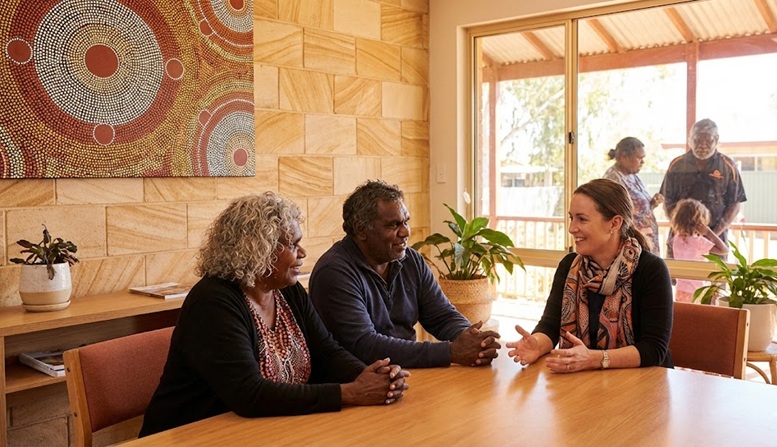
Family involvement often matters more in Aboriginal cultures than in mainstream Australian society. Extended family members may need to be present during consultations, not as a formality but as an essential part of decision-making. Legal services that accommodate this cultural practice demonstrate genuine respect.
Visual communication tools can bridge language gaps more effectively than written documents alone. Diagrams showing the claims process, timelines with pictures, and simplified flowcharts help clients understand complex legal steps without relying solely on legal jargon.
Aboriginal Community Controlled Health Organisations as Support Networks
Aboriginal Community Controlled Health Organisations (ACCHOs) play a vital role in connecting injured community members with appropriate legal support. These organisations understand both the medical and cultural needs of their clients.
ACCHOs across WA provide more than healthcare – they offer advocacy, cultural support, and connections to services including legal assistance. When someone suffers a workplace injury or accident, ACCHO staff often become the first point of contact for advice.
Derbarl Yerrigan Health Service in Perth serves the metropolitan Aboriginal community with comprehensive health services and strong connections to legal support services. Their staff understand the intersection between health outcomes and Aboriginal injury compensation WA, particularly for injuries requiring ongoing medical treatment.
Wirraka Maya Health Service Aboriginal Corporation in the Kimberley region provides services across a vast geographical area. Their outreach programs connect remote community members with essential services, including assistance with making a workers’ compensation claim after workplace injuries.
Bega Garnbirringu Health Services in Geraldton offers integrated care that recognises how injury compensation affects overall wellbeing. Their holistic approach means they can identify when clients need legal support and facilitate those connections.
These organisations provide culturally appropriate environments where Aboriginal people feel comfortable discussing injuries and seeking information about their rights. The trust already established between ACCHOs and community members creates a foundation for successful legal referrals.
Common Injury Types Affecting Aboriginal Communities in WA
Aboriginal people in Western Australia experience certain injury types at disproportionate rates, often linked to employment patterns, housing conditions, and access to safe infrastructure.
Workplace injuries occur frequently in industries where Aboriginal people are well-represented: mining, construction, pastoral work, and community services. Manual labour roles carry inherent risks, and when safety protocols fail, serious injuries result. Back injuries, crush injuries, and repetitive strain conditions are common.
Motor vehicle accidents affect Aboriginal communities severely, particularly in regional and remote areas. Road conditions, vehicle maintenance issues, and long distances travelled all contribute to crash rates. When accidents occur far from major hospitals, injuries often become more severe before treatment begins.
Public liability injuries including slips, trips, and falls happen in various settings. Inadequate maintenance of community facilities, poorly lit public areas, and unsafe pathways all create hazards. Understanding rights in a public liability claim becomes crucial when these preventable injuries occur.
Catastrophic injury cases that result in permanent disability or life-altering consequences require specialised legal support. These cases involve complex medical evidence, future care needs, and substantial compensation amounts. Aboriginal people facing these situations need catastrophic injury compensation support that respects their cultural needs while fighting for maximum entitlements.
Navigating WorkCover WA Claims with Cultural Support
WorkCover WA claims follow specific processes and timeframes that can confuse anyone unfamiliar with the system. For Aboriginal workers, additional support often makes the difference between a successful claim and abandoning the process.
Immediate reporting of workplace injuries matters legally, but cultural factors may delay this step. Some Aboriginal workers hesitate to “cause trouble” or fear employer retaliation. Others may not realise the injury is serious enough to report. Indigenous cultural support claims liaison workers can help bridge this gap by explaining rights and responsibilities in culturally appropriate ways.
Medical evidence forms the foundation of any workers’ compensation claim. Aboriginal workers in remote areas may have limited access to specialists or diagnostic facilities. Documenting injuries thoroughly from the start prevents complications later, but this requires coordination between remote health services, specialists, and legal representatives.
Weekly payments during recovery provide essential income support, but navigating the application process requires understanding complex forms and medical certificates. Aboriginal workers may need assistance completing paperwork, particularly when English literacy presents challenges.
Return to work programs must account for cultural obligations and community responsibilities that mainstream programs often overlook. An Aboriginal worker may have cultural duties that conflict with standard return-to-work schedules. Culturally competent lawyers can negotiate arrangements that respect these obligations while maintaining claim validity.
Time Limits and Legal Deadlines in Aboriginal Injury Claims
Western Australian law imposes strict time limits for starting Aboriginal injury compensation WA. Missing these deadlines can permanently bar claims, regardless of injury severity or circumstances.
Three-year limitation periods apply to most personal injury claims in WA, calculated from the injury date. For Aboriginal people in remote communities, three years can pass quickly when legal services aren’t readily accessible. Early connection with legal support protects rights.
Workers’ compensation claims require injury notification to employers as soon as practicable, preferably within 48 hours. WorkCover WA claims must be lodged within specific timeframes to preserve entitlements. Indigenous cultural support claims liaison workers can help ensure these crucial deadlines aren’t missed.
Special circumstances may extend time limits in exceptional cases, but courts grant these extensions rarely and only with compelling reasons. Geographic isolation alone typically doesn’t justify extensions, making early action essential.
Children’s claims follow different rules, with time limits generally suspended until the child turns 18. However, preserving evidence and documenting injuries early still matters significantly. Aboriginal families with injured children should seek legal advice promptly to protect future rights.
The Role of Aboriginal Liaison Officers in Legal Settings
Aboriginal Liaison Officers (ALOs) provide essential cultural bridges between legal services and Aboriginal clients. Their involvement significantly improves communication, trust, and case outcomes for Aboriginal injury compensation WA.
ALOs understand both Aboriginal cultural protocols and legal system requirements. This dual knowledge allows them to explain legal processes in culturally appropriate ways while helping lawyers understand their clients’ cultural needs and communication preferences.
Building trust happens more quickly when ALOs are involved from the first contact. Aboriginal clients often feel more comfortable asking questions and expressing concerns when someone from their community is present. This comfort level leads to better information sharing and stronger lawyer-client relationships.
Interpreting beyond language represents a crucial ALO function. Even when clients speak English, cultural concepts may not translate directly. ALOs can explain what clients really mean and help lawyers understand the cultural context behind responses or concerns.
Connecting services extends ALO roles beyond individual cases. They maintain relationships with ACCHOs, community organisations, and support services, creating referral networks that address clients’ broader needs alongside their legal matters.
Practical Steps for Aboriginal People Considering Injury Claims
Starting an Aboriginal injury compensation WA doesn’t need to feel overwhelming. Breaking the process into manageable steps helps Aboriginal people protect their rights while respecting their cultural needs.
Document everything from the moment an injury occurs. Photos of injury sites, witness names, and medical records all strengthen claims. If writing feels difficult, voice recordings or asking a trusted person to help document details works equally well.
Seek medical attention immediately and continue all recommended treatment. Medical records provide essential evidence for compensation claims. If access to doctors is limited, document attempts to get treatment and any barriers encountered.
Contact a lawyer early rather than waiting until problems arise. Initial consultations are free, and early legal advice prevents mistakes that could jeopardise claims. If speaking on the phone feels uncomfortable, ask a trusted family member or ACCHO worker to help make contact.
Bring support people to appointments and meetings. Family members, ACCHO workers, or ALOs can all attend consultations. Their presence often helps clients feel more comfortable and ensures important information isn’t missed.
Ask questions whenever something feels unclear. No question is too basic or simple. Good lawyers welcome questions and explain things in plain language. If an explanation doesn’t make sense, keep asking until it does.
Understand your entitlements by discussing your specific situation with experienced lawyers. Compensation may cover medical expenses, lost wages, future care needs, and pain and suffering. Knowing what you’re entitled to helps you make informed decisions.
Support Services Available Across Western Australia
Numerous organisations across WA provide support to Aboriginal people navigating Aboriginal injury compensation WA. These services complement legal representation by addressing broader needs.
Aboriginal Legal Service WA offers legal assistance across various matters and can provide referrals to specialist personal injury lawyers when needed. Their offices across the state ensure regional accessibility.
Advocacy services through organisations like the Aboriginal Disability Justice Campaign help Aboriginal people with disabilities access their rights, including injury compensation when disability results from accidents or negligence.
Financial counselling services assist with managing compensation payments and understanding how lump sum payments might affect Centrelink entitlements. This guidance prevents financial complications after successful indigenous cultural support claims.
Mental health support becomes crucial when injuries cause psychological trauma. Aboriginal-specific mental health services understand cultural factors affecting healing and can provide appropriate support throughout the claims process.
Housing support services help when injuries affect living situations or when compensation allows improved housing options. Stable housing contributes significantly to recovery and rehabilitation success.
Moving Forward: Ensuring Equal Access to Justice
Aboriginal and Torres Strait Islander people in Western Australia deserve equal access to Aboriginal injury compensation WA, regardless of where they live or what language they speak. Achieving this equality requires ongoing commitment from legal services, government agencies, and community organisations.
Cultural competency training for lawyers, increased Aboriginal employment in legal services, and stronger partnerships with ACCHOs all contribute to better outcomes. When Aboriginal people receive culturally safe legal support, they’re more likely to pursue legitimate claims and receive the compensation they deserve.
The legal profession must continue adapting services to meet Aboriginal clients’ needs rather than expecting clients to navigate systems designed without their input. Flexible service delivery, patient communication, and genuine respect for cultural protocols make justice accessible.
Conclusion
Aboriginal and Torres Strait Islander people facing Aboriginal injury compensation WA navigate challenges that extend far beyond standard legal complexity. Geographic isolation, language barriers, cultural protocols, and historical mistrust create additional obstacles that can prevent legitimate claims from proceeding.
Culturally safe legal services that respect Aboriginal communication styles, involve family appropriately, and partner with trusted community organisations make genuine difference. Aboriginal Community Controlled Health Organisations provide essential support networks, while Aboriginal Liaison Officers bridge cultural gaps in legal settings.
Whether dealing with workplace injuries, car accidents, or public liability matters, Aboriginal people deserve legal representation that understands their cultural needs while fighting vigorously for their entitlements. Time limits and legal deadlines don’t disappear because of geographic isolation or cultural barriers, making early connection with appropriate legal support crucial.
Separovic Lawyers recognises that Aboriginal people in WA experience workplace injuries, car accidents, and public liability incidents at rates that demand culturally appropriate legal support. Understanding these specific needs isn’t just about better service – it’s about ensuring equal access to justice for all Western Australians.
Support services across WA complement legal representation by addressing broader needs including health, housing, and financial wellbeing. When these services work together with culturally competent lawyers, Aboriginal injury victims can navigate the claims process with confidence and dignity.If you or a family member has suffered an injury and needs guidance about compensation rights, contact us for a free assessment. We’re committed to providing culturally appropriate legal support that respects your needs while securing the compensation you deserve.