
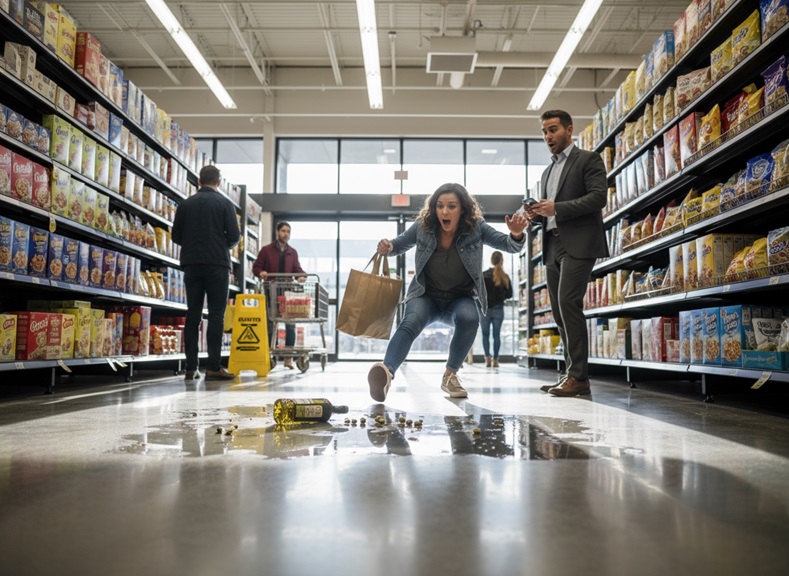
Slip and fall accidents are more than simple mishaps. They often lead to painful injuries, lost income, and long-term medical challenges. In Western Australia, people who suffer these accidents in public or private spaces may be entitled to compensation through public liability claims. Understanding the main hazards that lead to these incidents not only helps with prevention but also highlights where responsibility lies when safety measures fail.
At Separovic Injury Lawyers, our legal team has spent decades helping clients who have been harmed by unsafe conditions. We see patterns in the claims we manage, with certain hazards appearing repeatedly. By breaking down the most frequent slip and fall causes, this article shows how dangerous conditions arise, why they matter in a legal context, and how injured people can pursue fair compensation with the right support.
The importance of recognising slip and fall causes
Identifying hazards is the first step in creating safe environments. For business owners, it means fulfilling a duty of care to staff, customers, and visitors. For injured people, it forms the basis of a compensation claim. When a property is poorly maintained, or when clear safety standards are ignored, the law can hold owners and operators accountable.
The most slip and fall common causes include wet floors, uneven surfaces, poor lighting, and other hazards that might appear trivial until someone is seriously injured. Each one can create devastating consequences, from broken bones and head injuries to catastrophic spinal damage.
Our lawyers regularly see cases where a simple hazard was ignored until it changed a person’s life completely. Recognising these risks is about more than prevention; it is also about justice and accountability when things go wrong.
Wet floors
Wet floors remain one of the most common slip and fall causes in public liability claims. They can occur in supermarkets, restaurants, workplaces, shopping centres, and even residential complexes.
Spills, leaks, and routine cleaning can all leave slick surfaces that catch people unaware. When no warning signs are placed and no prompt action is taken, the risk of injury rises sharply.
Consider the example of a young woman in Perth who slipped on a spilled drink in a shopping centre. No staff member had placed a wet floor sign, and no attempt had been made to clean the hazard in a timely way. The fall fractured her wrist, leaving her unable to work for several months. With the help of our lawyers, she was able to secure compensation that covered her medical costs and loss of income.
Key points:
- Wet floors are among the leading slip and fall causes.
- Spills, leaks, and cleaning without signage create liability risks.
- Injuries often include fractures, sprains, and head trauma.
Uneven surfaces
Cracked pavements, loose tiles, potholes, and uneven floor levels create tripping hazards. These hazards might seem minor, but the law recognises them as significant risks when property owners fail to maintain safe surfaces.
One case involved a retail store in Highgate where a raised tile near the entrance caused a customer to trip and sprain her ankle. Although the store argued it was a minor defect, our legal team demonstrated that the hazard had been present for weeks without repair. The injured customer received compensation that acknowledged her pain and loss of income.
Key points:
- Uneven surfaces rank high among slip and fall common causes.
- Small defects can result in large claims if ignored.
- Regular inspection and maintenance are legal responsibilities.
Poor lighting
Dim or faulty lighting in stairwells, car parks, and corridors makes it difficult to spot hazards. When people cannot see where they are stepping, they are far more likely to miss a change in surface level or fail to notice an obstacle.
Walking into a darkened car park can feel like driving without headlights. Hazards exist, but they remain invisible until an accident happens. Businesses and property owners have a duty to ensure their lighting systems are functional and adequate for safety.
Our lawyers have managed claims where poor lighting directly contributed to serious injuries, including a case where a tenant fell on a dark stairwell and suffered a fractured hip. The landlord had ignored repeated reports about the broken lights. This negligence was central to establishing liability.
Key points:
- Poor lighting hides hazards and increases accident risks.
- Car parks and stairwells are especially dangerous in low light.
- Adequate lighting is a basic duty of care for property owners.
Obstacles in walkways
Obstacles left in common walkways create avoidable hazards. Boxes, cables, cleaning equipment, or misplaced furniture are all examples. In workplaces, cluttered hallways can also breach occupational health and safety standards.
In one warehouse case, an employee tripped over a misplaced ladder in a corridor and fractured his knee. Our legal team pursued a workers’ compensation claim, highlighting the employer’s failure to maintain clear access ways.
Key points:
- Walkway obstacles are recognised slip and fall causes.
- Clear access is a legal requirement in workplaces.
- Employers and property owners must enforce safe practices.
Lack of warning signs
Hazards cannot always be removed instantly, but that makes clear warnings essential. Wet floor signs, hazard cones, and barrier tape all alert people to risks. When they are absent, liability is far easier to establish.
Take the example of a supermarket spill. If staff cannot clean the hazard immediately, they must place a visible sign to protect customers. When no warning is given, it becomes much harder for a business to argue it took reasonable care.
Key points:
- Warning signs reduce risk while hazards are managed.
- Their absence strengthens a compensation claim.
- Businesses must act quickly to protect the public.
Footwear and contributing factors
Footwear is not usually the direct cause of a slip and fall accident, but it can influence the outcome. Shoes with worn soles or high heels can reduce traction, making it easier to lose balance on unsafe surfaces.
In legal claims, this factor sometimes raises questions of contributory negligence. However, our lawyers stress that unsafe environments remain the primary responsibility of property owners. Even if footwear played a role, negligence in maintaining safe conditions is usually the stronger factor.
Key points:
- Footwear can influence risk but rarely excuses negligence.
- Employers often require non-slip shoes in high-risk industries.
- Lawyers consider footwear only in the context of wider hazards.
Weather conditions
Rain, ice, and wet entryways create natural hazards. While weather itself is uncontrollable, property owners must take steps to reduce risks. Clearing water, gritting icy surfaces, or providing non-slip mats at entrances are reasonable precautions.
In one WA case, a café owner ignored repeated puddles forming at the front entrance during heavy rain. A customer slipped, injuring her back. Compensation was awarded because the owner had taken no steps to reduce the risk.
Key points:
- Weather contributes to slip and fall common causes.
- Owners must take reasonable steps during adverse conditions.
- Failing to manage wet entryways or icy surfaces leads to liability.
Rugs and mats
Unsecured rugs or mats can easily slide, especially on smooth floors. Businesses that use mats must ensure they have non-slip backings and are checked regularly for wear and tear.
Residential properties also carry risks. A tenant injured by a loose mat in a rental property may be able to claim against the landlord if poor maintenance is proven.
Key points:
- Rugs and mats without grip surfaces create hazards.
- Regular inspections are required in both homes and businesses.
- Landlords and property managers may be liable.
Distractions
Distractions are a modern hazard. People using mobile phones while walking are less likely to spot spills or obstacles. While personal behaviour plays a role, the duty of care on property owners remains.
If hazards exist and no reasonable steps are taken to address them, liability can still be established, even if the injured person was distracted.
Key points:
- Distractions contribute to slip and fall causes.
- Liability is not removed when unsafe conditions exist.
- Courts weigh contributory negligence alongside property duties.
Poor maintenance
When maintenance is neglected, hazards multiply. Cracked tiles remain unrepaired, leaks persist, and spills are ignored. Over time, poor maintenance becomes one of the strongest grounds for negligence claims.
In a factory case, a worker slipped on oil residue that had not been cleaned for weeks. The employer’s lack of maintenance was a direct cause of the injury, leading to significant compensation.
Key points:
- Poor maintenance is a leading factor in liability claims.
- Regular inspections and timely repairs are essential duties.
- Neglect over time strengthens the claimant’s case.
What to do after a slip and fall accident
Knowing how to respond after a slip and fall accident is critical for both health and legal reasons.
- Seek medical attention immediately. Document injuries through professional care.
- Report the incident. Notify the property owner, employer, or manager.
- Collect evidence. Take photos of the hazard, gather witness contacts, and keep medical records.
- Contact our legal team. Our lawyers provide free case assessments to help determine compensation eligibility.
Conclusion
Slip and fall accidents are often preventable. By understanding slip and fall causes, we see how hazards arise and why property owners and employers have a duty to address them. From wet floors and uneven surfaces to poor maintenance, these dangers can leave people facing lasting injuries and financial burdens.
At Separovic Injury Lawyers, we stand beside those who have suffered harm due to unsafe environments. Our lawyers bring compassion, expertise, and determination to every case, ensuring our clients receive the compensation they deserve. If you or someone you love has been injured in a slip and fall accident, don’t wait. Get in touch with us today for a free assessment.