
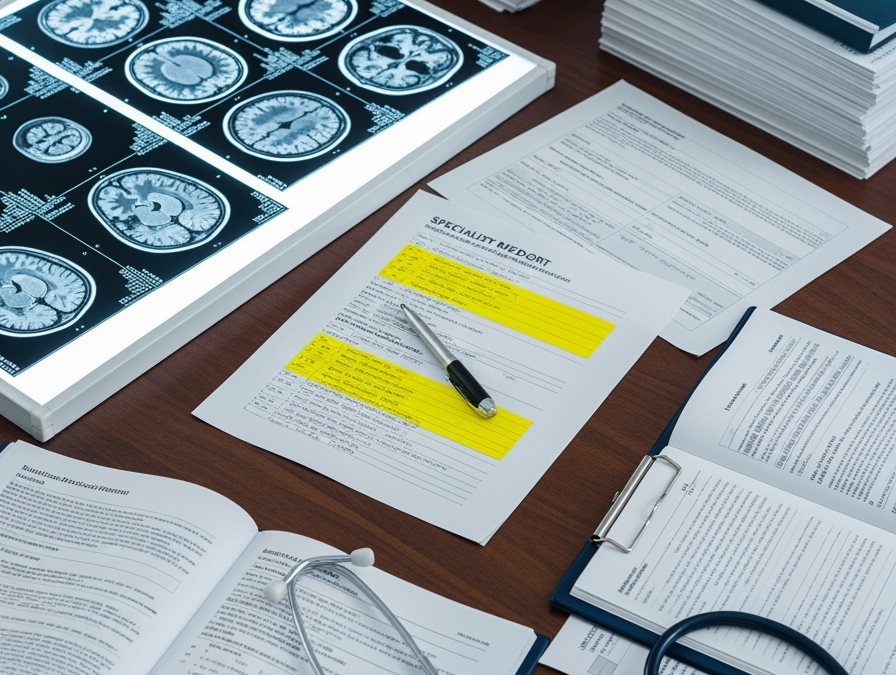
Medical evidence forms the cornerstone of every successful Total and Permanent Disability insurance claim. Insurers assess TPD applications based primarily on medical documentation demonstrating both the severity and permanence of disabling conditions. Without comprehensive, well-structured medical evidence TPD claims fail regardless of how genuinely disabled claimants may be. Understanding what constitutes strong medical evidence and how to obtain it significantly improves claim outcomes.
The stakes are substantial. TPD insurance provides critical financial support when severe injury or illness permanently prevents work, yet claim denial rates remain high across the insurance industry. Most rejections stem from insufficient or inadequate medical documentation rather than genuine ineligibility. Insurers require detailed proof that conditions satisfy policy definitions of total and permanent disability, creating evidentiary burdens that many claimants struggle to meet without professional guidance.
This guide examines the essential role supporting medical evidence TPD plays in claim success, explores the types of evidence required, identifies common deficiencies that trigger denials, and provides practical strategies for building comprehensive medical documentation. Whether pursuing a claim for physical injury, mental health condition, or chronic illness, understanding medical evidence requirements positions you for the strongest possible application.
Why Medical Evidence Is Critical for TPD Claims
Medical evidence TPD claims success depends entirely on the quality and comprehensiveness of medical documentation submitted to insurers. Policy definitions require objective proof that conditions permanently prevent work capacity, making medical evidence the primary determinant of claim outcomes.
Insurers assess disability through clinical documentation rather than personal testimony. While your subjective experience of pain, fatigue, or limitation matters, insurers demand objective medical findings supporting these complaints. Diagnostic imaging, specialist assessments, functional capacity evaluations, and treatment records provide the objective evidence that validates subjective symptoms.
Policy definitions typically require conditions to be “unlikely to improve” or “permanent with no reasonable prospect of recovery.” Establishing permanence requires medical opinions based on clinical findings, diagnostic results, treatment responses, and established medical knowledge about the condition’s prognosis. Treating doctors and specialists must explicitly address permanence in their reports, as vague statements about current limitations fail to satisfy this requirement.
The distinction between any occupation and own occupation TPD cover significantly impacts medical evidence requirements. Own occupation claims require proving inability to work in your specific profession, while any occupation claims require demonstrating inability to perform any job for which you’re reasonably suited. Medical evidence must address the relevant standard, explaining precisely how your condition prevents the required work capacity.
Types of Medical Evidence Required
Comprehensive supporting medical evidence TPD includes multiple documentation types, each serving distinct evidentiary purposes. Strong claims incorporate evidence from various sources, creating a complete picture of disability.
Treating Doctor Reports
General practitioners provide longitudinal documentation tracking condition development, treatment attempts, and progression over time. GP records establish timelines, document symptoms at various stages, and demonstrate continuity of care. Detailed GP reports should address how long they’ve treated you, symptoms observed, treatments prescribed, referrals made, and their opinion on work capacity and prognosis.
Specialist medical opinions carry substantial weight in TPD assessments. Specialists relevant to your condition – orthopaedic surgeons for musculoskeletal injuries, neurologists for brain conditions, psychiatrists for mental health disorders – provide expert analysis of diagnoses, treatment options, and long-term prognosis. Specialist reports must explain why your condition prevents work and why improvement is unlikely.
Treatment history documentation demonstrates both the severity of your condition and exhaustion of treatment options. Insurers expect evidence of reasonable treatment attempts before concluding permanent disability. Records should show medications tried, therapies undertaken, surgical interventions performed, and why these treatments failed to restore work capacity.
Diagnostic Evidence
Objective diagnostic findings provide crucial corroboration for clinical assessments. MRI scans, CT imaging, and X-rays document structural abnormalities, injuries, or disease processes. Laboratory test results confirm diagnoses requiring biochemical evidence. Pathology reports establish tissue changes or disease markers. These objective findings prevent insurers from dismissing conditions as purely subjective complaints.
For musculoskeletal conditions affecting work capacity, imaging demonstrating disc herniations, joint deterioration, or nerve compression strengthens claims considerably. For neurological conditions, imaging showing brain injury, lesions, or structural abnormalities provides essential proof. For systemic diseases, laboratory markers confirming disease activity levels support disability claims.
Functional Assessments
Functional capacity evaluations measure actual physical or cognitive abilities through standardised testing protocols. Occupational therapists or physiotherapists conduct these assessments, testing activities like lifting, carrying, standing, walking, reaching, and manipulating objects. Results quantify limitations objectively, translating medical conditions into functional impact on work tasks.
For workers compensation claims that intersect with TPD applications, functional capacity evaluations often bridge medical findings and work capability determinations. These assessments compare your measured abilities against job requirements, demonstrating precisely why you cannot perform essential work duties.
Cognitive assessments evaluate memory, concentration, processing speed, and executive function for conditions affecting mental capacity. Neuropsychological testing provides objective data about cognitive limitations impacting work performance, particularly valuable for brain injuries, degenerative conditions, or mental health disorders affecting cognitive function.
Psychiatric and Psychological Evidence
Mental health conditions require specialised assessment by psychiatrists or clinical psychologists. Psychiatric evaluations diagnose mental health disorders, assess severity, document treatment responses, and provide prognosis opinions. For depression, anxiety, post-traumatic stress disorder, and other mental health conditions that prevent work, comprehensive psychiatric evidence is essential.
Psychological assessments using validated testing instruments provide objective measures of mental health symptoms and functional impact. Psychometric testing results quantify symptom severity, demonstrating disability levels insurers cannot easily dismiss. Treatment records documenting medication trials, psychotherapy attempts, and hospitalisations establish treatment history and condition severity.
Physical disabilities often cause secondary psychological conditions impacting total disability. Medical evidence TPD claims for physical injuries should include a psychological assessment addressing mental health impacts like depression or anxiety, exacerbating physical limitations. This comprehensive approach demonstrates the full scope of disability affecting work capacity.
What Strong Medical Evidence Must Demonstrate
Successful supporting medical evidence TPD must establish several key elements satisfying policy requirements and insurer assessment criteria.
Clear Diagnosis With Supporting Findings: Medical reports must identify specific diagnosed conditions rather than describing symptoms alone. Diagnoses should reference diagnostic criteria from recognised medical classification systems. Supporting diagnostic evidence like imaging, laboratory results, or clinical findings should corroborate diagnoses, preventing insurers from questioning whether conditions truly exist.
Permanence and Poor Prognosis: Medical opinions must explicitly address permanence, explaining why conditions are unlikely to improve significantly. Prognosis statements should reference established medical knowledge about condition trajectories, treatment limitations, and realistic recovery expectations. Vague statements like “condition is chronic” fail to establish the “permanent” threshold TPD policies require.
Impact on Work Capacity: Evidence must explain precisely how medical conditions prevent work in your occupation (for own occupation policies) or any occupation (for any occupation policies). General statements about being “unable to work” lack the specificity insurers demand. Reports should describe physical or cognitive tasks you cannot perform and explain why these limitations prevent employment.
Treatment Exhaustion: Documentation should demonstrate reasonable treatment attempts and explain why further treatment won’t restore work capacity. Insurers often deny claims when they believe untried treatments might improve conditions. A comprehensive treatment history showing that appropriate interventions were attempted but failed establishes that disability is truly permanent.
Objective Findings Supporting Subjective Complaints: While subjective symptoms like pain or fatigue significantly impact disability, insurers prioritise objective medical findings. Strong evidence includes objective abnormalities on imaging, quantifiable functional limitations on testing, or physiological markers supporting subjective complaints. This prevents insurers from dismissing conditions as exaggerated or non-existent.
Common Medical Evidence Deficiencies
Understanding common deficiencies helps avoid mistakes that jeopardize medical evidence TPD claims success.
Vague or Incomplete Doctor Statements: Brief medical certificates stating only “unable to work” without explaining why fail to satisfy insurer requirements. Many doctors provide routine medical certificates for short-term work absences without the detailed analysis TPD claims require. Reports must specifically address diagnosis, prognosis, functional limitations, and work capacity in detail.
Lack of Specialist Input: General practitioners provide valuable longitudinal care documentation but often lack specialised expertise for complex conditions. Claims for neurological conditions without neurology input, or mental health claims without psychiatric assessment, face higher denial risks. Specialists provide credibility and detailed analysis that GPs cannot match.
Missing Functional Assessments: Medical opinions about work capacity gain credibility when supported by objective functional testing. Claims lacking functional capacity evaluations are vulnerable to insurer arguments that actual abilities weren’t properly measured. While not mandatory, functional assessments significantly strengthen applications by quantifying limitations objectively.
Insufficient Treatment Documentation: Gaps in treatment records or limited treatment attempts raise insurer suspicions that conditions might improve with proper treatment. Continuous treatment documentation showing appropriate interventions were pursued establishes both condition severity and treatment exhaustion.
Documentation Gaps: Interruptions in medical care or periods without medical consultation create evidentiary gaps insurers exploit. They may argue that conditions improved during undocumented periods or question whether disability genuinely continued throughout. Maintaining consistent medical care and documentation prevents these arguments.
Building Comprehensive Medical Evidence
Strategic approaches to gathering supporting medical evidence TPD maximize claim success while ensuring medical practitioners understand insurer requirements.
Working With Your Treating Doctors
Communicate TPD claim requirements clearly to treating doctors. Many practitioners lack experience with insurance claim reporting, defaulting to brief clinical notes adequate for treatment purposes but insufficient for TPD applications. Explain that insurers need detailed reports addressing specific policy criteria.
Request reports explicitly addressing key questions: What is your diagnosis? What objective findings support this diagnosis? How does this condition affect work capacity? What is the prognosis? Why is the condition unlikely to improve? What treatments have been attempted, and why did they fail? Providing doctors with these questions ensures reports cover essential evidentiary elements.
Maintain regular appointments throughout the claim process. Consistent treatment documentation demonstrates condition continuity and allows doctors to track progression or deterioration. Gaps in care undermine claims by suggesting conditions may have improved during undocumented periods.
Obtaining Specialist Assessments
Identify specialists relevant to your specific condition. Orthopaedic surgeons assess musculoskeletal injuries, neurologists evaluate brain and nervous system conditions, psychiatrists diagnose mental health disorders, and rheumatologists address autoimmune conditions. Specialist assessment from appropriate disciplines adds credibility that insurers find difficult to challenge.
Time specialists consult strategically. Obtaining specialist opinions after condition stabilisation provides more accurate prognosis assessments than early consultations during acute phases. However, don’t delay so long that insurers question why specialist input was sought late in the claim timeline.
Brief specialists about your TPD claim when attending appointments. Request that they specifically address policy requirements in their reports, particularly permanence and work capacity impact. Separovic Lawyers can provide guidance on what specialists should cover in their assessments, ensuring reports meet the evidentiary standards insurers expect.
Functional Capacity Evaluations
Consider functional capacity evaluations when objective measurement of physical or cognitive abilities strengthens your claim. FCEs are particularly valuable when medical conditions don’t produce dramatic imaging findings but significantly impair function, like chronic pain syndromes, fatigue disorders, or cognitive impairment.
Functional assessments conducted by qualified occupational therapists or physiotherapists measure abilities across standardised activities. Results quantify precisely what you can and cannot do, translating medical conditions into concrete functional limitations relevant to work capacity.
Prepare for functional assessments by performing at your genuine capacity without overexertion or underperformance. Assessors note inconsistencies that might suggest exaggeration, potentially damaging claim credibility. Perform activities honestly, even if they cause pain or fatigue, as assessors document these responses.
Independent Medical Examinations
Insurers frequently arrange independent medical examinations as part of TPD claim assessment. Understanding IME purposes and how to approach them protects your claim interests.
Independent medical examiners are doctors whom insurers engage to provide “independent” opinions on your condition. While termed independent, these doctors work for insurers, and their opinions sometimes favor insurer interests. However, legitimate IMEs conducted by properly qualified specialists serve valid assessment purposes, and cooperating with reasonable examination requests is expected.
IMEs differ from treating doctor consultations. Examining doctors review medical records and conduct one-time physical or psychiatric examinations, but they don’t provide ongoing treatment. Their opinions are based on limited interaction compared to treating doctors who know you over extended periods. This limited interaction represents both a weakness (less comprehensive knowledge) and a strength (supposedly unbiased fresh perspective).
When IME opinions conflict with treating doctor assessments, insurers may use this disagreement to deny claims. However, treating doctor opinions generally carry greater weight due to longitudinal knowledge and established doctor-patient relationships. If IMEs produce unfavourable opinions, medical evidence TPD claims can still succeed when the treating doctor’s evidence is comprehensive and well-documented.
Your rights during independent examinations include having consultations conducted respectfully, having examinations limited to assessing relevant medical conditions, and receiving reasonable notice of appointment times. You can have a support person present during examinations (though not during the physical examination itself). If examiners behave inappropriately or conduct unreasonable examinations, document these concerns immediately.
Medical Evidence for Specific Conditions
Different condition types require tailored evidentiary approaches reflecting their unique characteristics.
Physical Injuries and Musculoskeletal Conditions
Supporting medical evidence TPD for physical injuries should include imaging demonstrating structural abnormalities – herniated discs, joint deterioration, fracture complications, or soft tissue damage. Orthopaedic specialist opinions interpreting imaging findings and explaining functional impact strengthen claims significantly.
Functional capacity evaluations prove particularly valuable for musculoskeletal conditions, quantifying physical limitations affecting work tasks. For car accident injuries resulting in permanent disability, FCEs bridge medical findings and work capacity determinations objectively.
Chronic pain conditions require careful documentation as insurers often dismiss pain without clear structural findings. Pain management specialist involvement, medication histories demonstrating treatment attempts, and psychological assessments addressing pain’s mental health impacts create comprehensive evidence packages insurers find harder to deny.
Mental Health Conditions
Mental health TPD claims face unique challenges due to invisible symptoms and stigma surrounding psychiatric conditions. Comprehensive psychiatric assessment by experienced psychiatrists is essential, including diagnosis using DSM-5 criteria, severity assessment, treatment history analysis, and prognosis opinions.
Psychometric testing provides objective symptom measurement that insurers cannot easily dismiss. Validated psychological tests quantify depression severity, anxiety levels, or cognitive impairment objectively. Multiple testing occasions over time demonstrate symptom persistence, addressing insurer concerns about temporary conditions.
Treatment resistance documentation proves critical for mental health claims. Evidence showing multiple medication trials, various psychotherapy approaches, and potentially hospitalisation or intensive programs establishes that reasonable treatments were attempted but failed to restore work capacity. For public liability injuries causing post-traumatic stress disorder or depression, comprehensive mental health evidence connects injury events to disabling psychological consequences.
Chronic Illnesses and Degenerative Conditions
Progressive conditions like multiple sclerosis, Parkinson’s disease, or motor neurone disease require longitudinal documentation showing deterioration over time. Serial assessments demonstrating declining function establish a progressive nature and a poor prognosis convincingly.
Specialist input from relevant disciplines – neurologists for neurological conditions, rheumatologists for autoimmune diseases, oncologists for cancers – provides essential expertise. Specialists familiar with the condition’s natural histories can provide credible prognosis opinions about why improvement is unlikely and deterioration is probable.
For catastrophic injuries producing severe permanent disabilities, comprehensive evidence documenting the profound impact on all life domains strengthens claims. This includes not just physical medical evidence but rehabilitation records, care needs assessments, and vocational capacity evaluations demonstrating complete work incapacity.
Securing the Medical Evidence Your Claim Deserves
The quality of medical evidence TPD claims directly determines success or failure. While genuine disability warrants insurance benefits, inadequate documentation prevents even legitimate claims from succeeding. Understanding what evidence insurers require, how to obtain it from medical practitioners, and how to present it strategically makes the critical difference between claim approval and denial.
Building comprehensive medical evidence requires coordination with treating doctors, obtaining appropriate specialist assessments, arranging functional evaluations when beneficial, and ensuring all documentation addresses policy requirements explicitly. Many claimants struggle to navigate these requirements alone, particularly while managing disabling conditions.
Professional legal support ensures medical evidence meets insurer standards while protecting your rights throughout the assessment process. Experienced solicitors understand what evidence strengthens claims, how to brief medical practitioners effectively, how to respond to independent medical examinations, and how to challenge inadequate or unfavorable medical opinions. For expert assistance gathering and presenting the supporting medical evidence TPD your claim requires, contact us today. Our team provides comprehensive guidance for Perth residents pursuing TPD claims, ensuring you build the strongest possible evidence foundation for your application.